Trans Asia
Skip to main content

Trans Asia

Author: root

ADNOC Approval for Destructive Testing and Failure Analysis Services

ADNOC Approval for Destructive Testing and Failure Analysis Services

We are proud to announce a significant milestone in the journey of Trans Asia Industrial Laboratories LLC.   Trans Asia has successfully obtained ADNOC Approval for Destructive Testing and Failure Analysis Services.   This achievement represents more than an approval. It reflects years of dedication, technical excellence, continuous improvement, and an unwavering commitment to quality, […]

Learn More
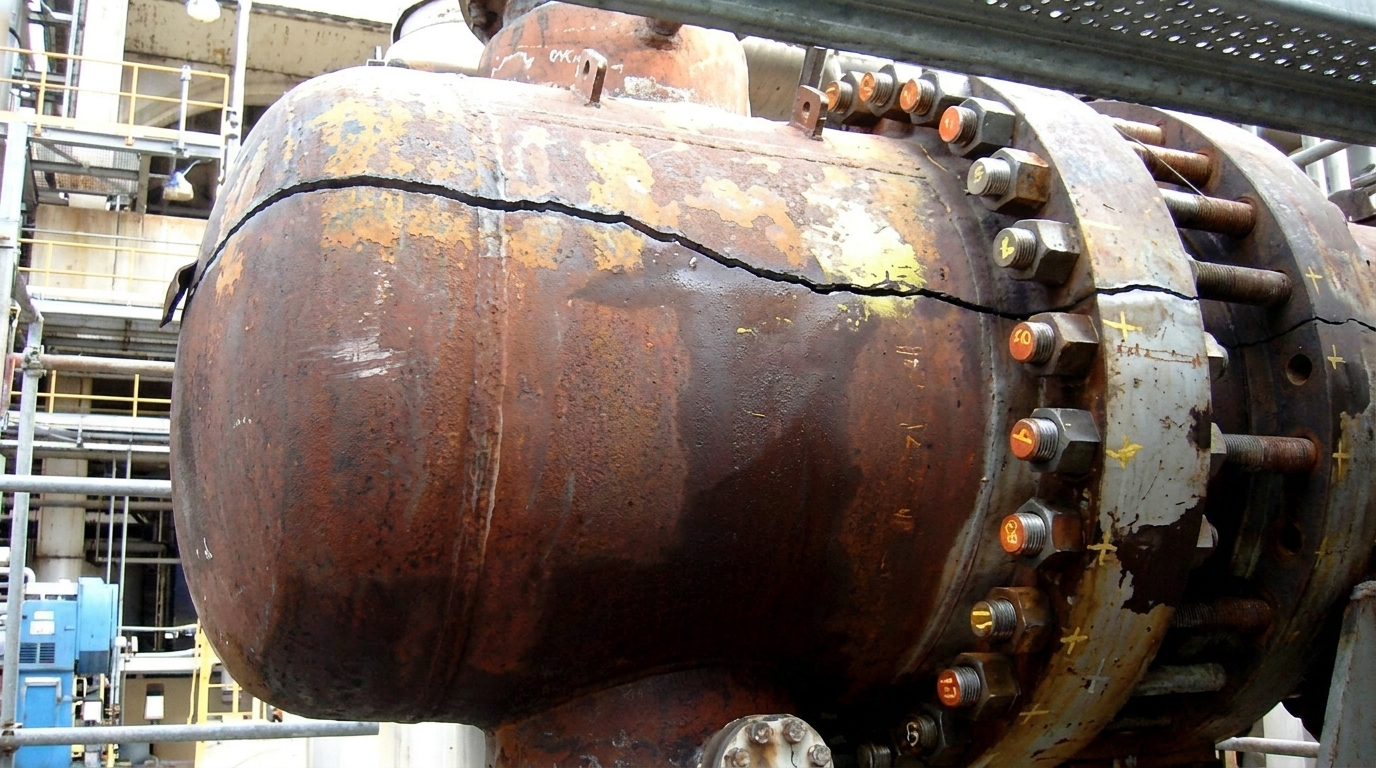
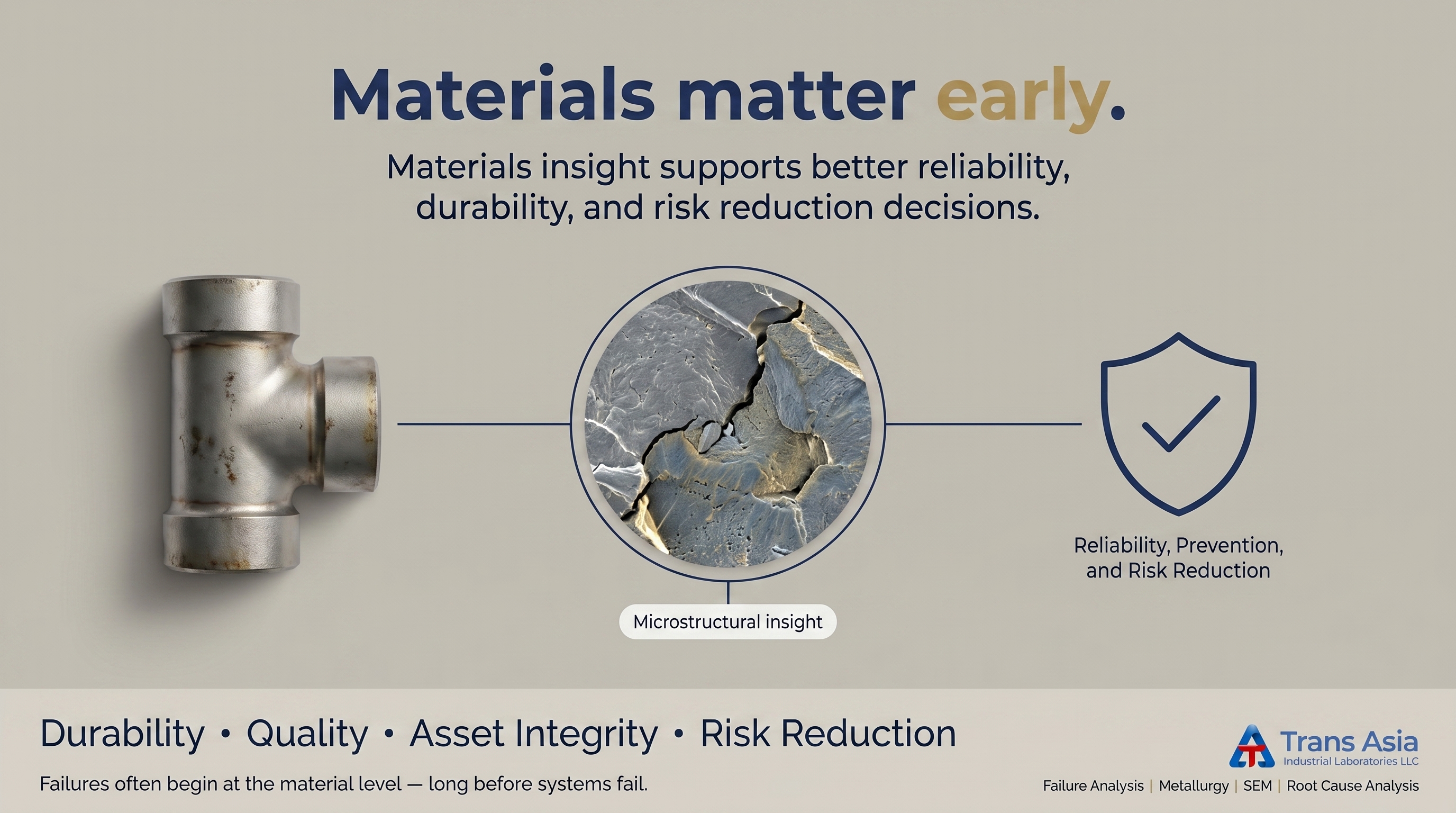
Most failures don’t begin when equipment stops working

Most failures don’t begin when equipment stops working

They begin much earlier — at material level. A microscopic defect. Localized stress. An unfavorable microstructure. Environmental interaction over time. Yet in many industries, materials engineers are only brought in after failure occurs. The real value? Preventing the failure before it happens. In reliability and durability engineering, failures are rarely random. A crack, deformation, or […]

Learn More
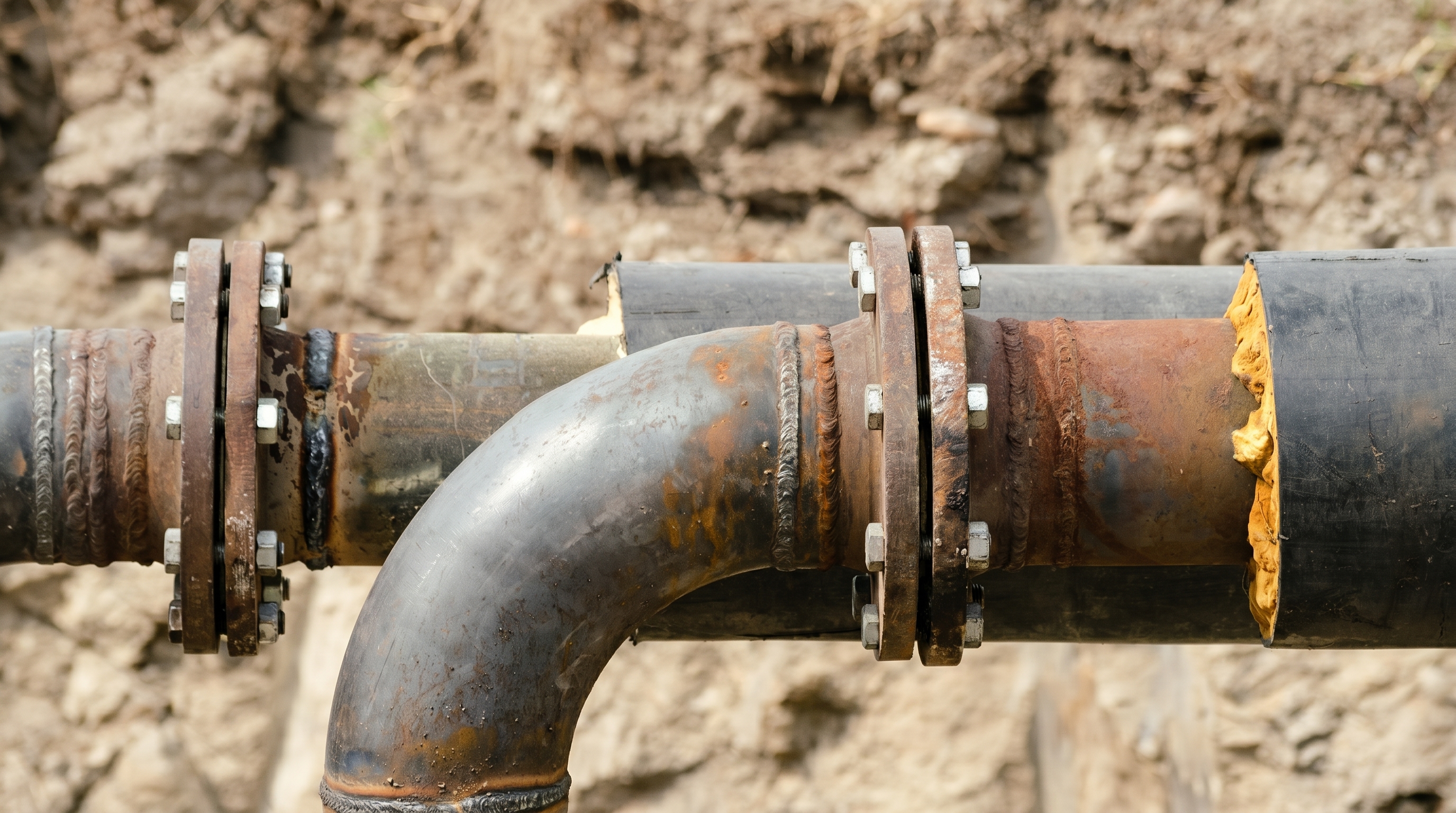
The replacement cost is cheaper than failure analysis

The replacement cost is cheaper than failure analysis

“Why spend on failure analysis?Replacing the component costs much less.” Fair point. On paper. The failed part was replaced. The system restarted. Everyone moved on. Until it happened again. A plant manager once walked into our lab carrying a failed component. Not a catastrophic failure.Not yet. The component had cracked unexpectedly during operation. Production was […]

Learn More
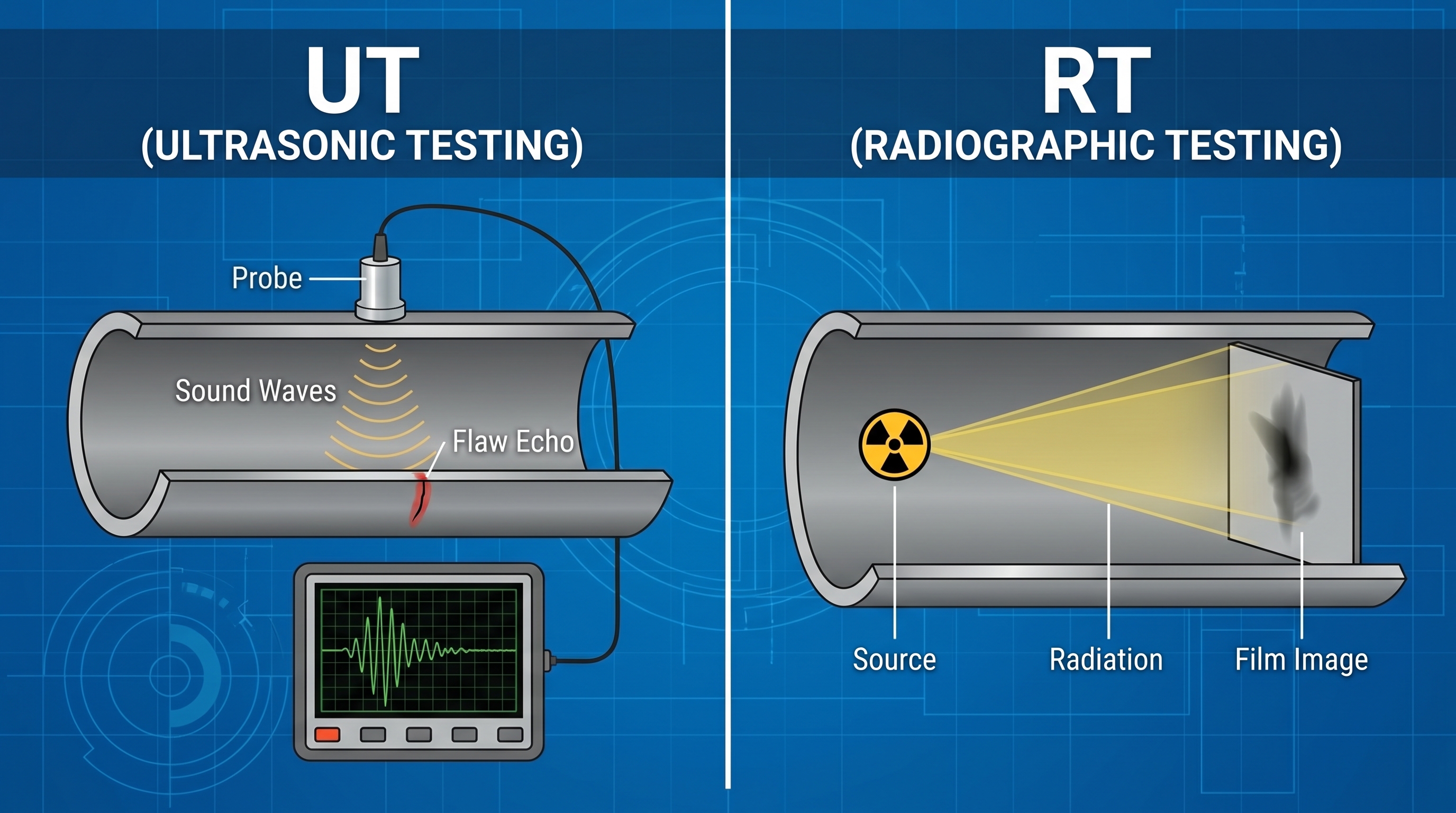
UT vs RT — Which NDT Method Should You Choose?

UT vs RT — Which NDT Method Should You Choose?

🔍 UT vs RT — Which NDT Method Should You Choose? In the world of Non-Destructive Testing (NDT), one common question arises: ⚡ Ultrasonic Testing (UT) or 📸 Radiographic Testing (RT)? The answer?It depends on the defect type, material, geometry, and inspection objective. Ultrasonic Testing (UT) UT uses high-frequency sound waves to detect internal discontinuities […]

Learn More
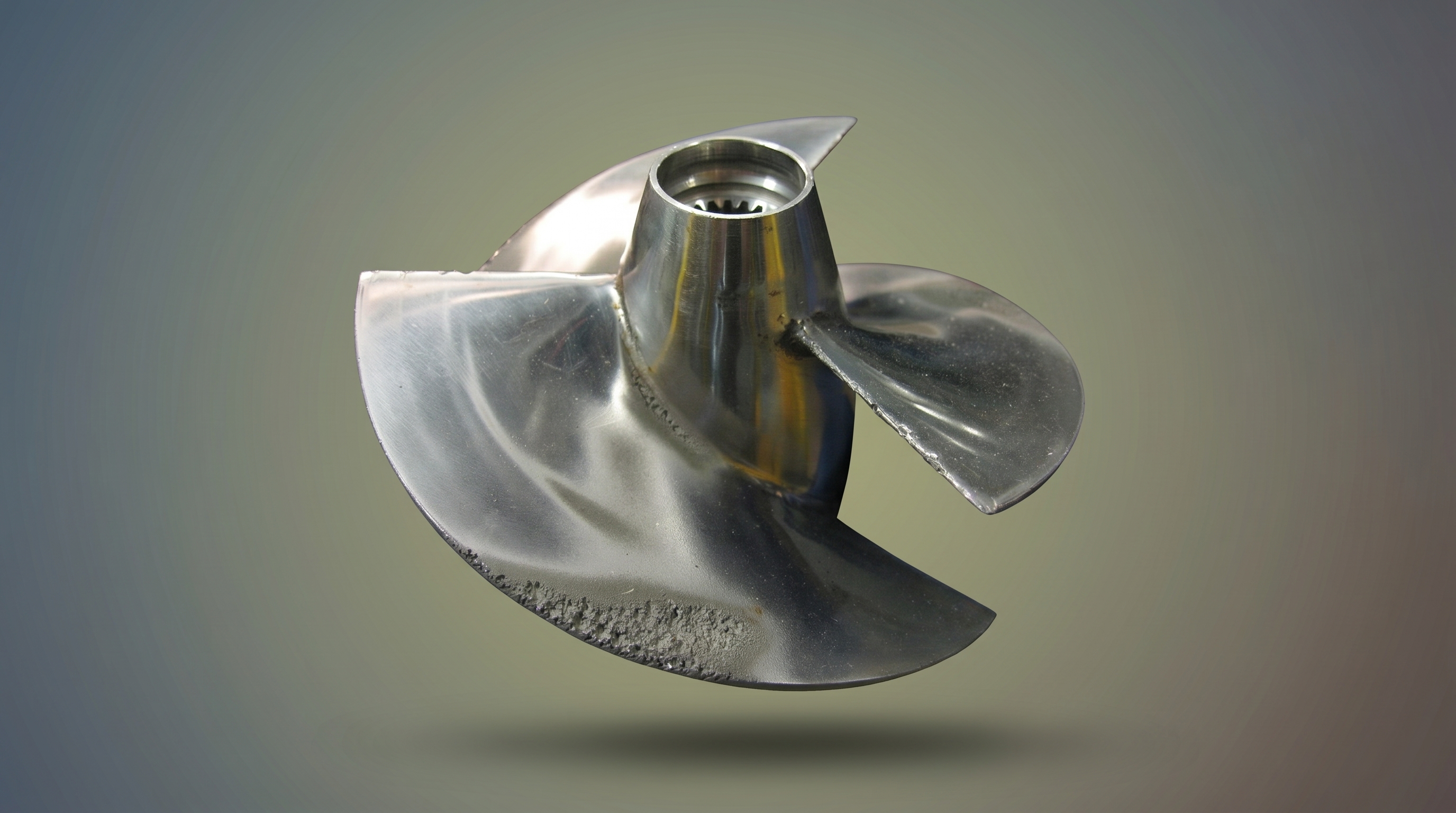
Cavitation in Pumps: The Hidden Failure Mechanism Destroying Impellers

Cavitation in Pumps: The Hidden Failure Mechanism Destroying Impellers

Cavitation occurs when the local pressure of a liquid drops below its vapor pressure, causing vapor bubbles to form within the fluid. As these bubbles travel into regions of higher pressure inside the pump, they collapse violently, creating microscopic shock waves. This collapse causes: Surface pitting and erosion Material degradation Localized metal damage Progressive impeller […]

Learn More
Stronger doesn’t always mean safer – Hydrogen Embrittlement

Stronger doesn’t always mean safer – Hydrogen Embrittlement

As hardness increases — particularly above ~35 HRC — susceptibility to hydrogen embrittlement can rise significantly, leading to: ❌ Delayed cracking ❌ Sudden brittle failures ❌ Unexpected component breakdowns ⚠️ Stronger doesn’t always mean safer. One critical mechanism often overlooked? 🔬 Hydrogen Embrittlement When designing high-strength components, choosing the highest hardness material may unintentionally increase […]

Learn More
Abu Dhabi’s Sphere: A New Icon of Engineering & Immersive Innovation

Abu Dhabi’s Sphere: A New Icon of Engineering & Immersive Innovation

The announcement of Sphere Abu Dhabi on Yas Island marks another bold step in the UAE’s journey toward world-class infrastructure and engineering excellence. Planned as a USD 1.7 billion, 20,000-capacity immersive entertainment venue, the project is expected to become the first Sphere outside the United States, redefining entertainment, technology, and large-scale structural engineering in the […]

Learn More