Trans Asia

Trans Asia

Tag: Fracture Surface

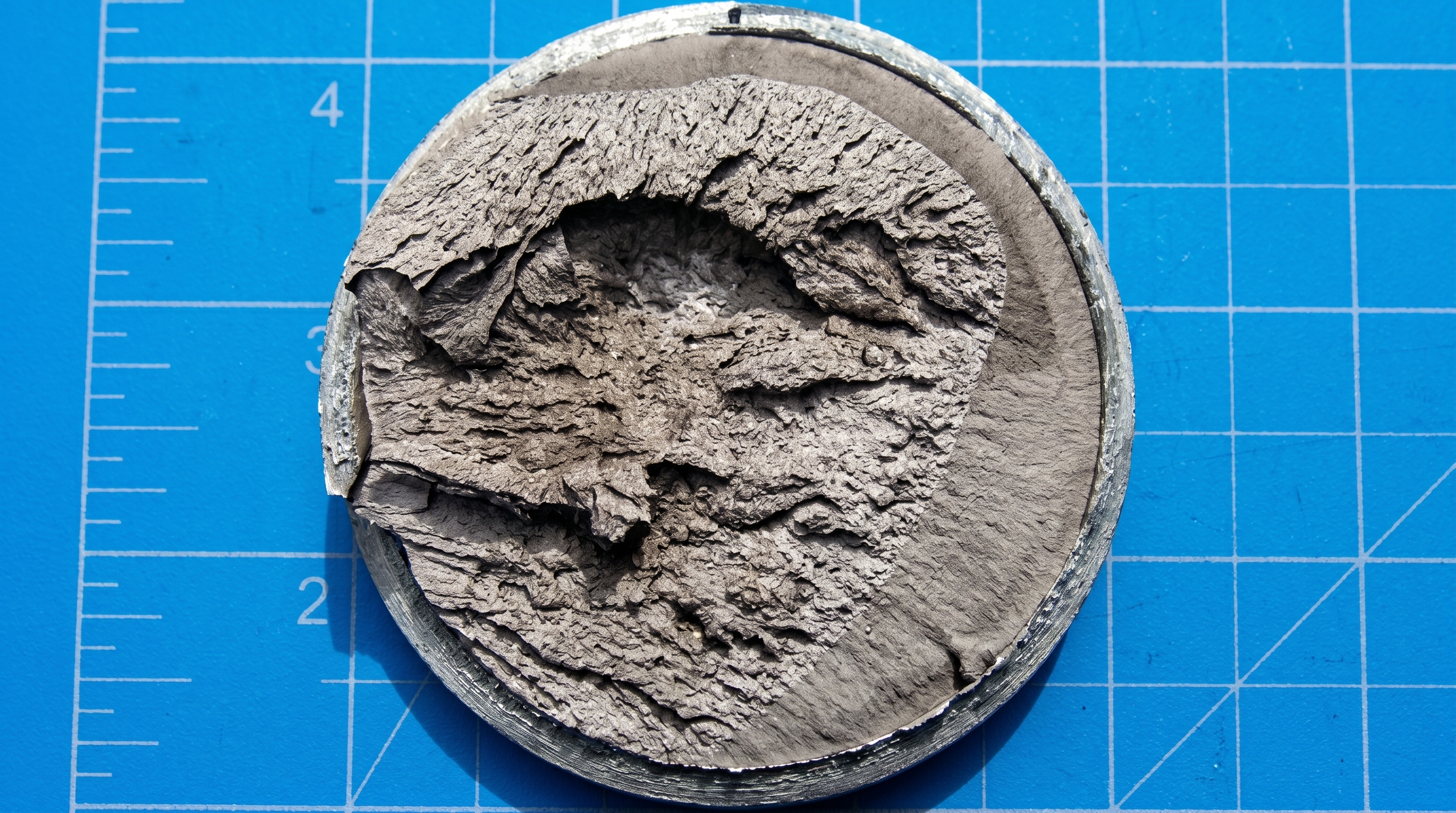
Stronger doesn’t always mean safer – Hydrogen Embrittlement

Stronger doesn’t always mean safer – Hydrogen Embrittlement

As hardness increases — particularly above ~35 HRC — susceptibility to hydrogen embrittlement can rise significantly, leading to: ❌ Delayed cracking ❌ Sudden brittle failures ❌ Unexpected component breakdowns ⚠️ Stronger doesn’t always mean safer. One critical mechanism often overlooked? 🔬 Hydrogen Embrittlement When designing high-strength components, choosing the highest hardness material may unintentionally increase […]

Learn More
Every fracture surface tells a story

Every fracture surface tells a story

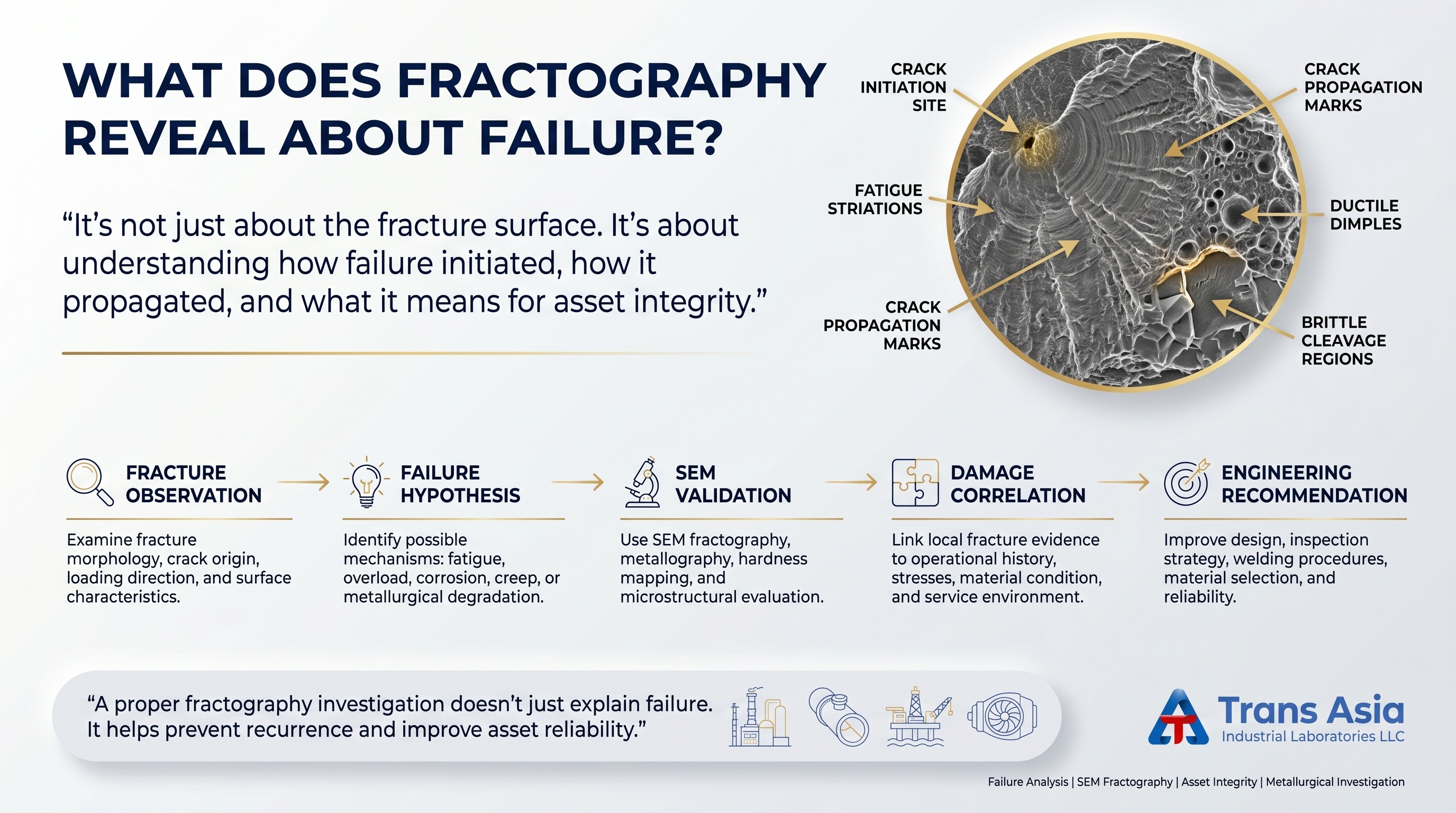
𝗙𝗿𝗮𝗰𝘁𝗼𝗴𝗿𝗮𝗽𝗵𝘆 is more than microscopic observation — it is one of the most powerful tools in modern Failure Analysis and Asset Integrity Management. Using advanced Scanning Electron Microscopy (SEM), engineers can identify:✔ Fatigue crack initiation✔ Brittle and ductile fracture modes✔ Overload failures✔ Corrosion-assisted cracking✔ Creep and thermal degradation mechanisms 𝗘𝘃𝗲𝗿𝘆 𝗳𝗿𝗮𝗰𝘁𝘂𝗿𝗲 𝘀𝘂𝗿𝗳𝗮𝗰𝗲 𝘁𝗲𝗹𝗹𝘀 𝗮 𝘀𝘁𝗼𝗿𝘆. […]

Learn More
Failure Analysis of Thread Damage

Failure Analysis of Thread Damage

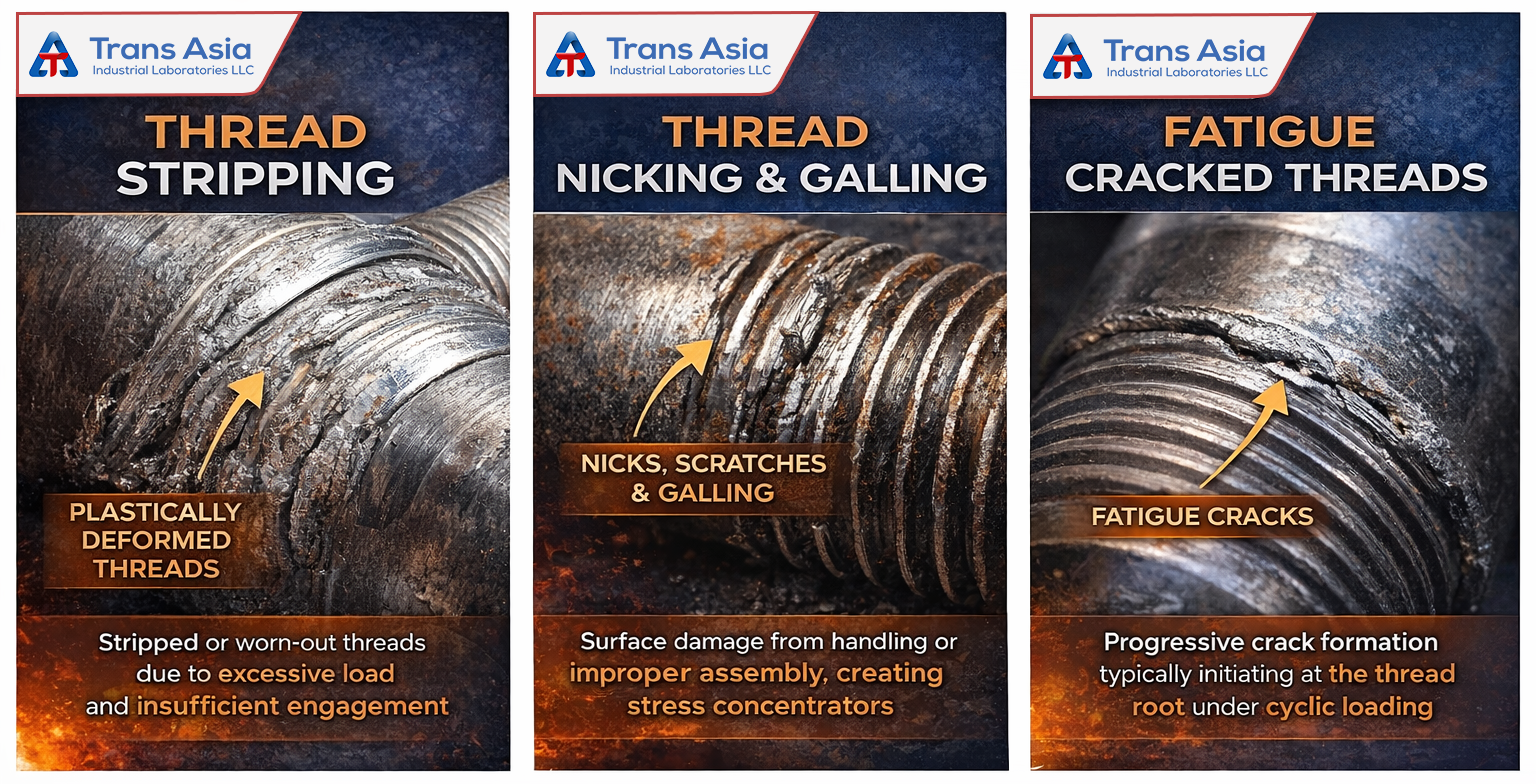
In industries like oil & gas, improper thread design or damage in collar-box connections can lead to operational downtime, safety risks, and costly equipment failure. Similarly, in fastener applications, compromised threads can result in loss of structural integrity.   Why Thread Engagement & Tolerance Matter Proper thread engagement length ensures load distribution across multiple threads, […]

Learn More