Trans Asia

Trans Asia

Industrial
74%
Infrastructure
92%
Sustainable Projects
82%
Metallurgical Test

Material integrity through metallurgical tests

Metallurgical testing is essential to understand the microstructure, composition, and behavior of materials under various service and environmental conditions. At Trans Asia Industrial Laboratories, we provide comprehensive metallurgical evaluation to support material selection, quality control, failure analysis, and performance optimization. Our advanced laboratory capabilities and expert interpretation help identify defects, assess heat treatment effects, and evaluate degradation mechanisms, ensuring reliability and compliance across critical engineering applications.

Metallurgical Testing, Microstructural Analysis, Grain Size, Inclusion Analysis, Phase Analysis, Austenite, Ferrite, Martensite, Failure Analysis, Metallurgical Assessment, Etching, Nital, Aqua regia, Phase Identification, Carburization, Case Depth
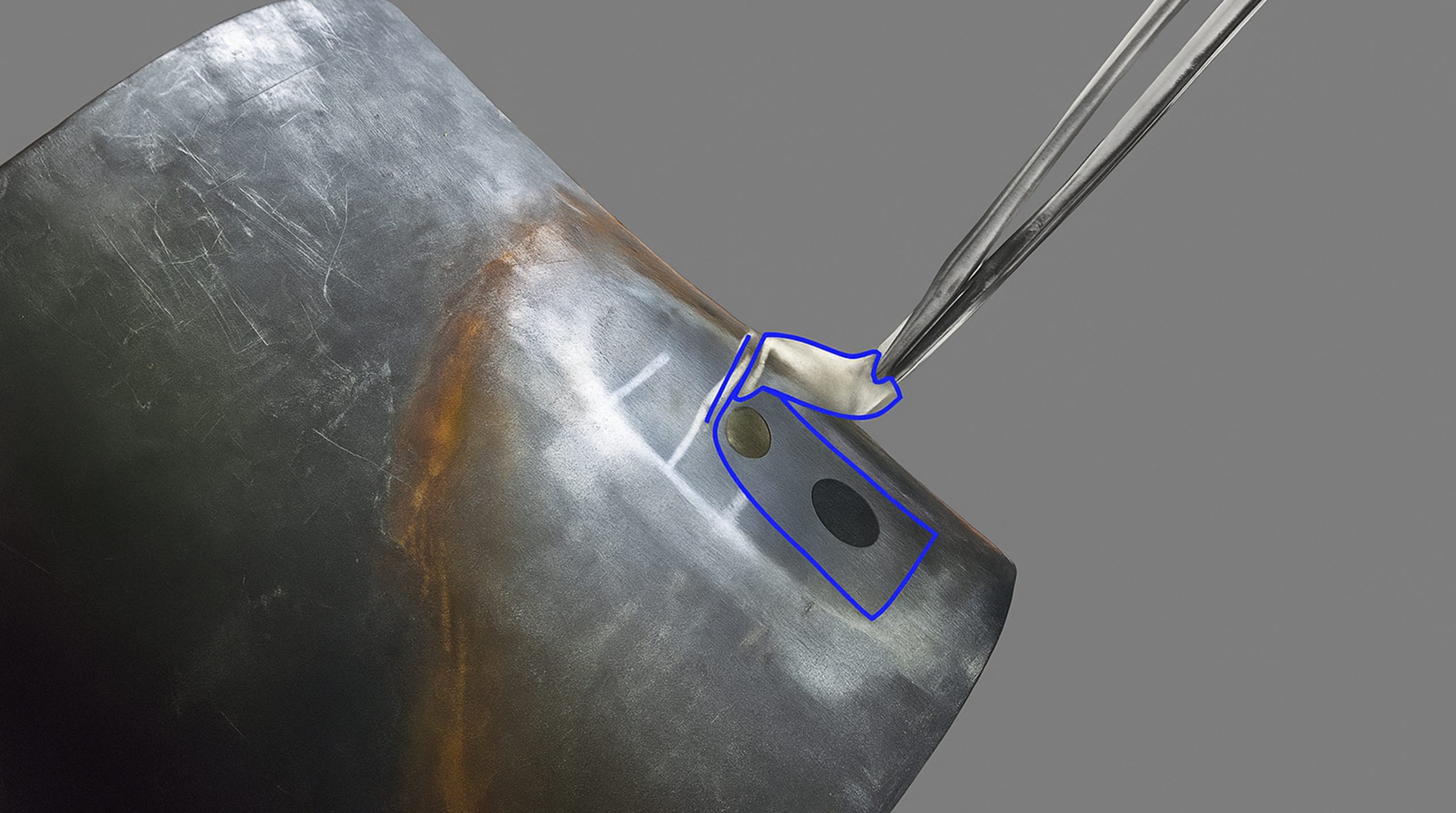
  • In-situ Replica Metallography as per ASTM E 1351
  • Metallographic Examination (Macro Analysis) as per ASTM E 340
  • Grain Size Measurement as per ASTM E 112
  • Microstructural Analysis as per ASTM E407
  • Inclusion Rating as per ASTM E 45 Method D (manual microscopic method)
  • Determination of intermetallic phases as per ASTM A923 Method A
  • Case Depth Measurement (Carburizing / Nitriding)
  • Ferrite Content Measurement (manual point count method) as per ASTM E 562.
  • Coating Thickness Measurement
  • Decarburization & Carburization Assessment
  • Weld Macro & Micro Examination
  • Phase Identification & Transformation Studies
mechanical test, hardness test, conformity test, tensile test, impact test, charpy test, material strength, yield strength, elongation, rockwell hardness, vickers hardness, brinell hardness, load test, check test, grade test, mill test certificate test
Our Expertise

Comprehensive Metallurgical Testing Solutions for Every Industry

Failure Analysis, root cause analysis, damage mechanism, preventive measurements, maintenance, failures, metallurgical failure analysis, fractography, corrosion damage, distortion, wear, mechanical damage, thermo-mechanical damage, equipment failure, forms of corrosion, material non-conformity, process anomalies, operational disruptions

Failure analysis is a critical process for identifying the root cause of material and component failures, enabling industries to prevent recurrence and improve reliability.
Replica test, in-situ replica, metallography, microstructure, thermal damage, creep damage, refinery, shutdown, inspection, asset integrity, portable microscope, microstructural analysis

this method enables on-site evaluation of critical equipment such as pipelines, pressure vessels, and power plant components, helping detect early signs of degradation like creep damage, microcracking, and phase changes.

Metallurgical Testing, Microstructural Analysis, Grain Size, Inclusion Analysis, Phase Analysis, Austenite, Ferrite, Martensite, Failure Analysis, Metallurgical Assessment, Etching, Nital, Aqua regia, Phase Identification, Carburization, Case Depth

Microstructural analysis is a critical metallurgical technique used to examine the internal structure of metals and alloys at microscopic levels. At Trans Asia Industrial Laboratories, this evaluation provides valuable insights into grain structure, phase distribution, inclusions, and defects that directly influence material performance. It is widely used across industries to assess material quality, verify heat treatment processes, ensure compliance with specifications, and support root cause failure analysis when performance issues arise.
Metallurgical Testing, Microstructural Analysis, Grain Size, Inclusion Analysis, Phase Analysis, Austenite, Ferrite, Martensite, Failure Analysis, Metallurgical Assessment, Etching, Nital, Aqua regia, Phase Identification, Carburization, Case Depth

Grain size measurement is a key metallurgical evaluation used to determine the size and distribution of grains in metallic materials. Metals are polycrystalline structures composed of numerous grains separated by grain boundaries—regions with distorted atomic arrangements. Changes in grain size, often caused by heat treatment or thermomechanical processing, significantly influence mechanical properties such as strength, toughness, and ductility
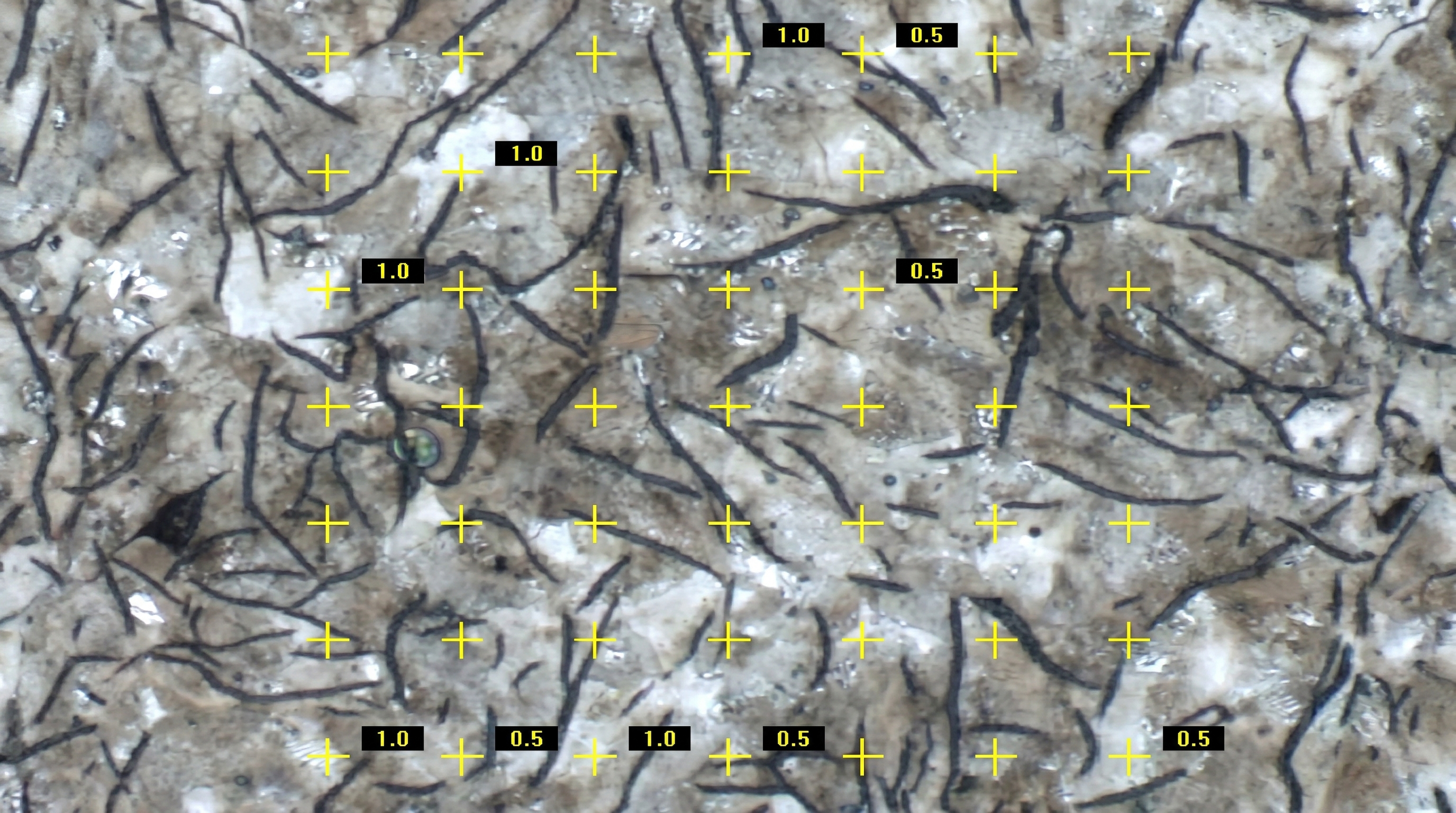
Ferrite content measurement, also known as delta ferrite measurement, is a critical metallurgical evaluation used to control and optimize the phase balance in austenitic and duplex stainless steels.
Metallurgical Testing, Microstructural Analysis, Grain Size, Inclusion Analysis, Phase Analysis, Austenite, Ferrite, Martensite, Failure Analysis, Metallurgical Assessment, Etching, Nital, Aqua regia, Phase Identification, Carburization, Case Depth

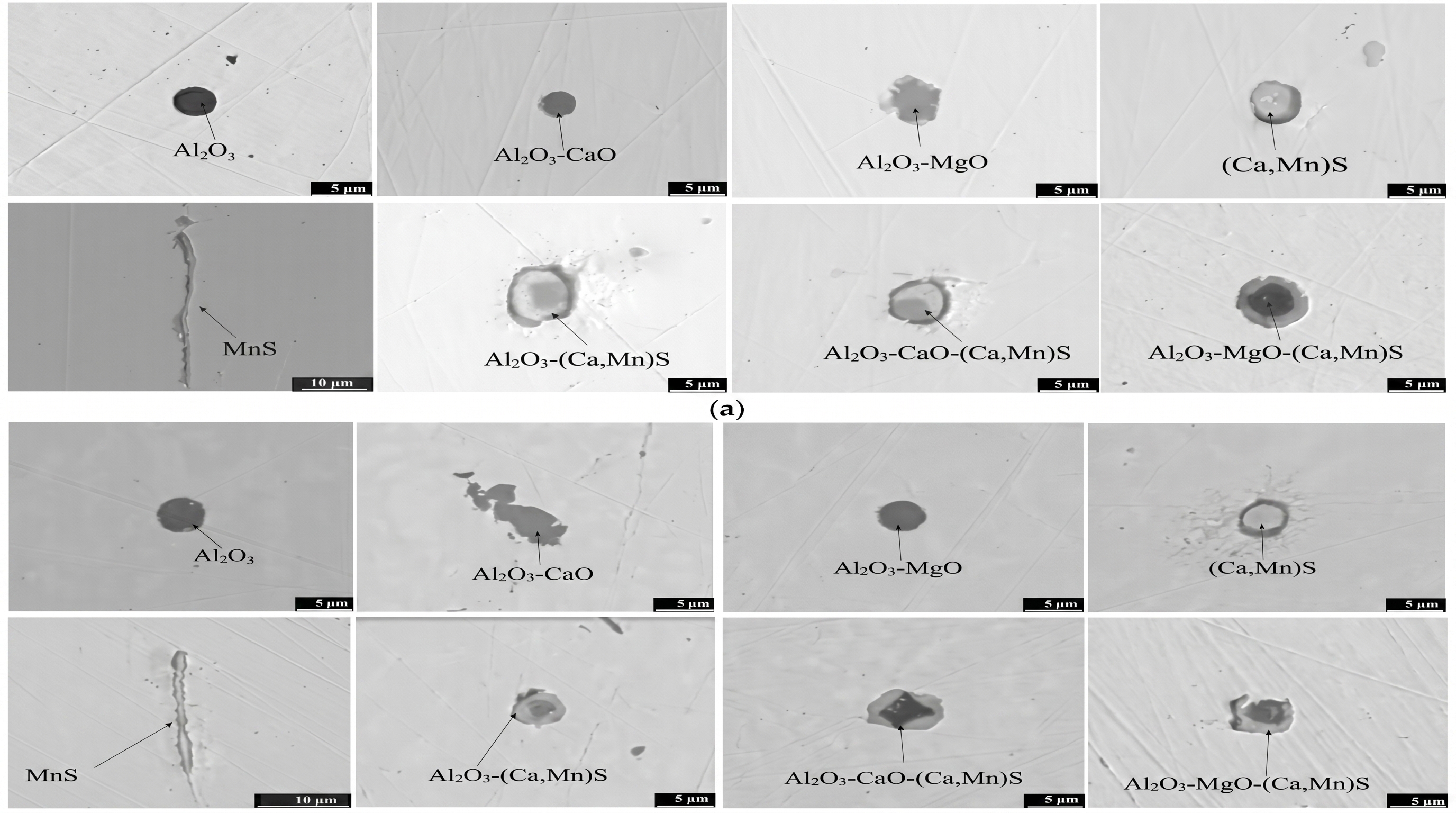
Inclusion rating is a metallurgical evaluation used to assess the presence, type, size, and distribution of non-metallic inclusions within steel. These inclusions are compound materials introduced during the manufacturing process and can significantly influence mechanical properties such as corrosion resistance, machinability, toughness, and formability.
Metallurgical Testing, Microstructural Analysis, Grain Size, Inclusion Analysis, Phase Analysis, Austenite, Ferrite, Martensite, Failure Analysis, Metallurgical Assessment, Etching, Nital, Aqua regia, Phase Identification, Carburization, Case Depth

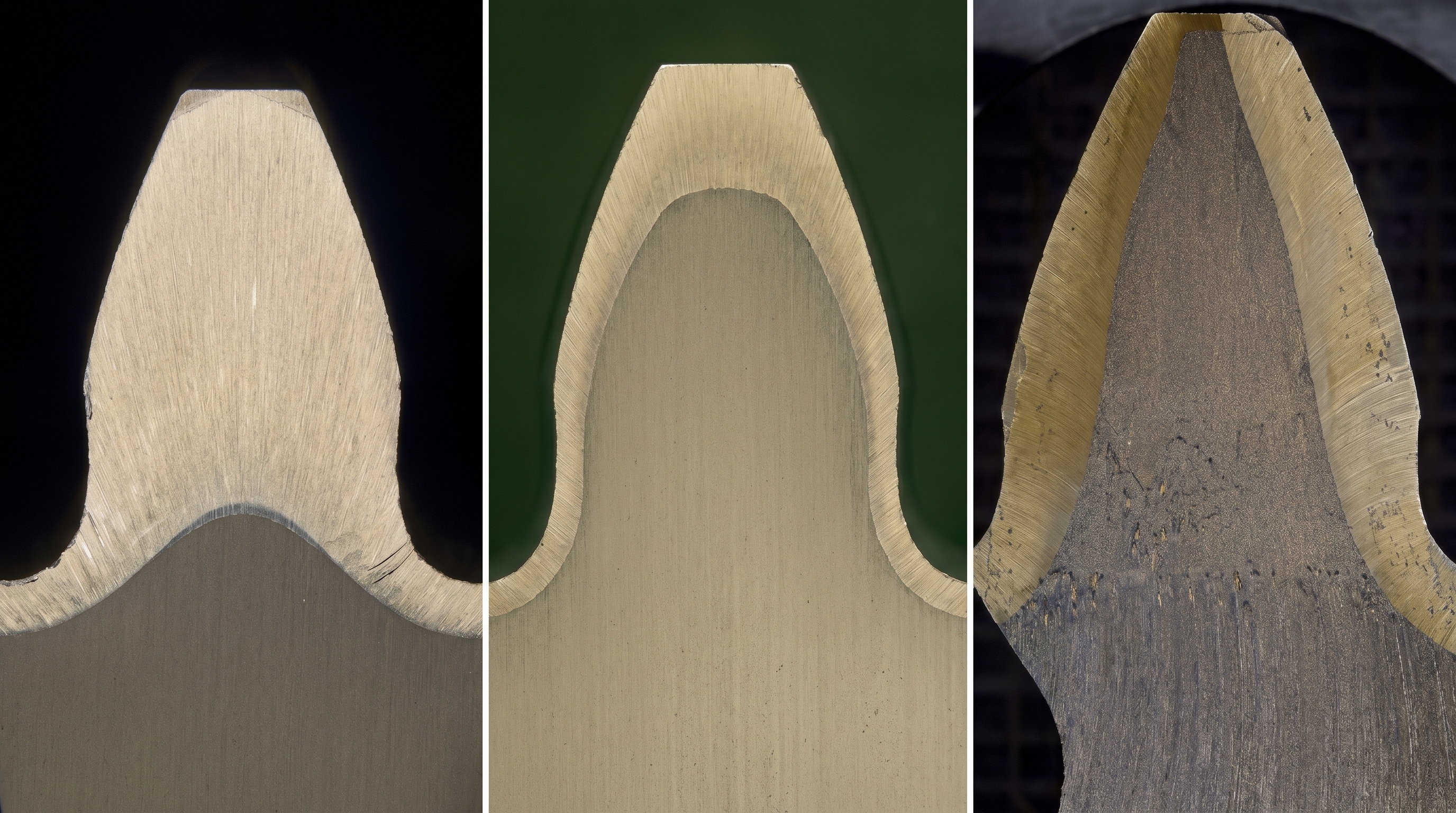
Case depth measurement is a vital metallurgical evaluation used to determine the thickness of the hardened surface layer produced by processes such as carburizing, carbonitriding, and induction hardening.
Metallurgical Testing, Microstructural Analysis, Grain Size, Inclusion Analysis, Phase Analysis, Austenite, Ferrite, Martensite, Failure Analysis, Metallurgical Assessment, Etching, Nital, Aqua regia, Phase Identification, Carburization, Case Depth

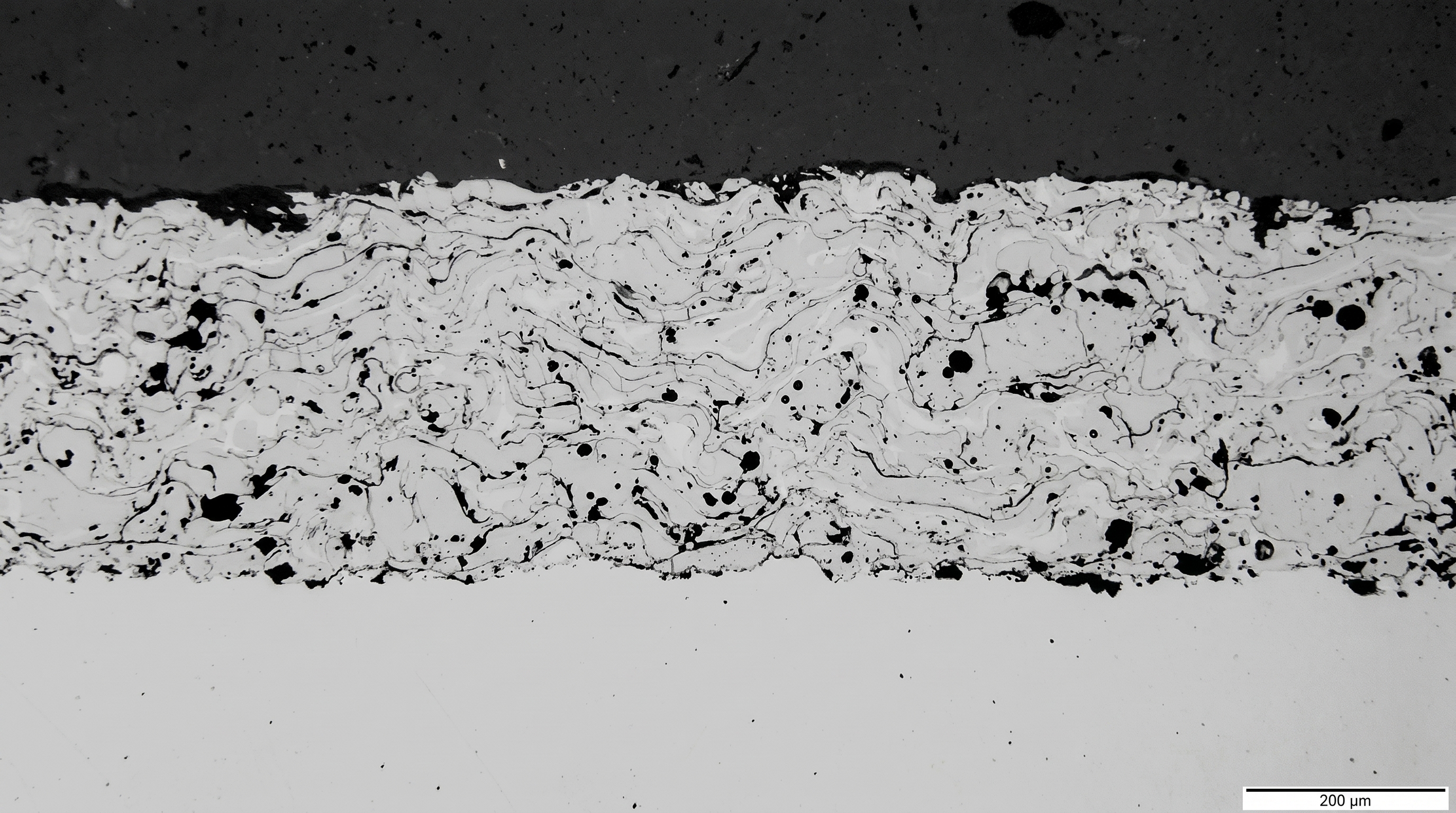
Coating thickness measurement is a critical evaluation used to determine the thickness of protective or functional coatings applied on metallic materials. Many engineering components—such as structural, marine, and automotive parts—are protected by coatings like galvanizing or paint.

Metal
Alloy
NDT
Engineering
Shut Down
Heat Treatment
Inspection
PAUT
Corrosion
Failure Analysis
Metal
Alloy
NDT
Engineering
Shut Down
Heat Treatment
Inspection
PAUT
Corrosion
Failure Analysis
Metallurgical Testing, Microstructural Analysis, Grain Size, Inclusion Analysis, Phase Analysis, Austenite, Ferrite, Martensite, Failure Analysis, Metallurgical Assessment, Etching, Nital, Aqua regia, Phase Identification, Carburization, Case Depth
Metallurgical Test

Microstructural Analysis

Microstructural analysis is a critical metallurgical technique used to examine the internal structure of metals and alloys at microscopic levels. At Trans Asia Industrial Laboratories, this evaluation provides valuable insights into grain structure, phase distribution, inclusions, and defects that directly influence material performance. It is widely used across industries to assess material quality, verify heat treatment processes, ensure compliance with specifications, and support root cause failure analysis when performance issues arise.

Key Features Evaluated

  • Grain size and morphology, which influence mechanical properties such as strength, toughness, and fatigue resistance under service conditions.
  • Phase distribution including ferrite, pearlite, martensite, or intermetallic phases affecting performance and durability.
  • Presence of inclusions, voids, and internal defects that may initiate failure.
  • Effects of heat treatment processes such as hardening, tempering, and annealing.
  • Evidence of degradation mechanisms including corrosion, creep, and thermal damage.

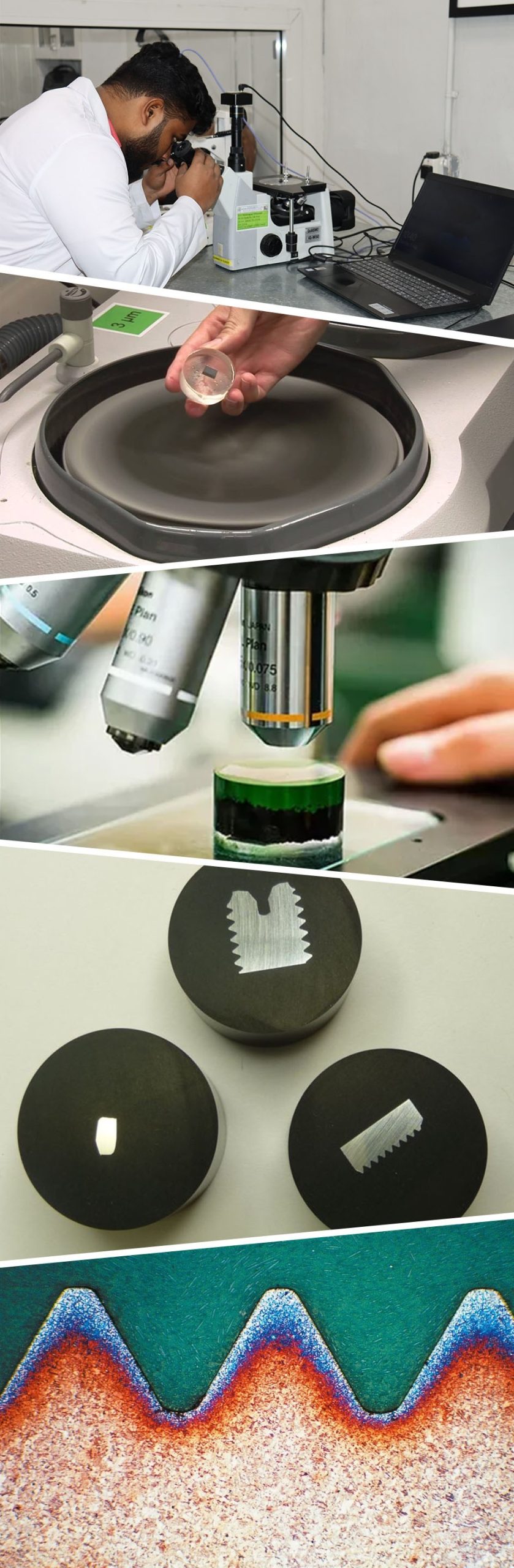
The first step in microstructural analysis is precise sample preparation, which ensures accurate and reliable results. Samples are sectioned, mounted, ground, polished, and etched to reveal the true microstructure. At Trans Asia, advanced preparation techniques are followed to maintain sample integrity and avoid distortion of features, enabling accurate evaluation using high-resolution optical microscopy.

Sample Preparation & Analysis Process

  • Precision cutting to obtain representative samples from critical regions such as welds, base metal, or failure zones.
  • Mounting to facilitate handling and protect specimen edges during preparation.
  • Grinding and polishing to achieve a smooth, defect-free surface for clear observation.
  • Chemical etching to reveal grain boundaries and phase structures.
  • Examination using digital imaging microscopes with magnification from 100X to 1000X.

Our metallurgical analysis services are conducted following strict procedures to ensure consistency and reliability. Results are documented using advanced imaging systems, and clients receive detailed reports outlining findings, interpretations, and compliance with relevant standards. This ensures transparency and confidence in material evaluation.

Applications of Microstructural Analysis

  • Verification of material quality and conformance to specifications and standards.
  • Evaluation of welds and heat-affected zones for structural integrity and defects.
  • Assessment of heat treatment effectiveness and process optimization.
  • Identification of failure mechanisms and support for root cause analysis.
  • Quality control and research applications for material improvement.

At Trans Asia Industrial Laboratories, microstructural analysis is performed in accordance with internationally recognized standards, ensuring accurate and standardized evaluation.

Applicable Standards

  • ASTM E407 – Practice for micro-etching metals and alloys
  • ASTM A923 – Detection of detrimental intermetallic phases in duplex stainless steels
  • ISO 945-1 – Microstructure classification of cast irons

With advanced capabilities and expert interpretation, Trans Asia delivers precise microstructural insights, enabling industries to ensure material reliability, optimize processes, and prevent failures in critical applications.

Metallurgical Testing, Microstructural Analysis, Grain Size, Inclusion Analysis, Phase Analysis, Austenite, Ferrite, Martensite, Failure Analysis, Metallurgical Assessment, Etching, Nital, Aqua regia, Phase Identification, Carburization, Case Depth
Metallurgical Test

Grain Size Measurement

Grain size measurement is a key metallurgical evaluation used to determine the size and distribution of grains in metallic materials. Metals are polycrystalline structures composed of numerous grains separated by grain boundaries—regions with distorted atomic arrangements. Changes in grain size, often caused by heat treatment or thermomechanical processing, significantly influence mechanical properties such as strength, toughness, and ductility. At Trans Asia Industrial Laboratories, grain size analysis helps assess material behavior, verify processing conditions, and ensure compliance with engineering specifications.

Importance of Grain Size

  • Grain size directly influences mechanical properties such as strength, toughness, ductility, and resistance to crack propagation under service conditions.
  • Fine grains typically enhance strength and toughness, while coarse grains may reduce performance and increase failure risk.
  • Heat treatment and processing alter grain structure, affecting material behavior.
  • Grain boundaries play a critical role in deformation and failure mechanisms.
  • Grain size evaluation supports quality control, material selection, and performance optimization.

The analysis is carried out through metallographic sample preparation, including cutting, mounting, grinding, polishing, and etching to reveal grain boundaries. The prepared sample is then examined under a microscope, and grain size is measured using standardized methods. Accurate preparation and observation are essential to ensure reliable and repeatable results.

Measurement Techniques

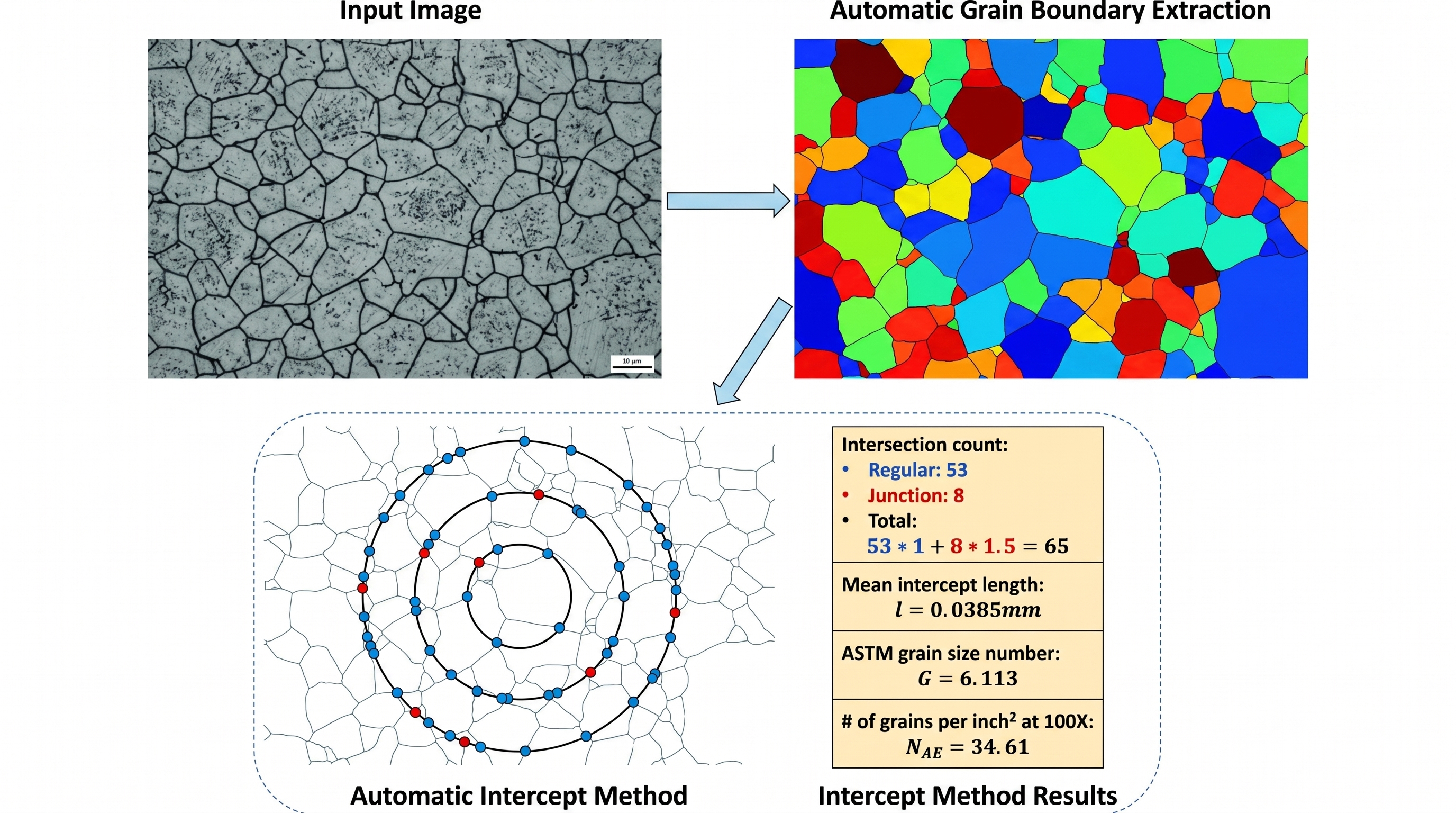
  • Visual comparison with standard diagrams, where the engineer estimates grain size by comparing the magnified sample to reference images.
  • Use of grain size charts integrated into microscope optics for simultaneous comparison and evaluation.
  • Planimetric method involving counting grains within a defined area for quantitative analysis.
  • Intercept method measuring grain boundary intersections along a test line.
  • Digital image analysis for enhanced accuracy and repeatability in grain size determination.

At Trans Asia Industrial Laboratories, grain size measurement is conducted under strict procedures to ensure reliability and consistency. Our metallurgical services are supported by accredited systems, and results are provided in Certified Test Reports with complete documentation and interpretation, enabling clients to make informed engineering decisions.

Applications of Grain Size Measurement

  • Verification of heat treatment processes and their effect on microstructure and material properties.
  • Evaluation of welds and heat-affected zones for grain growth or structural changes.
  • Support for failure analysis by identifying abnormal grain structures or overheating effects.
  • Assessment of material suitability for critical engineering and structural applications.
  • Compliance with international standards and project-specific requirements.

Grain size measurement is performed in accordance with internationally recognized standards to ensure consistency and comparability of results.

Applicable Standards

  • ASTM E112 – Determining average grain size
  • ASTM E407 – Micro-etching of metals and alloys
  • ASTM A923 – Detection of detrimental phases in duplex stainless steels
  • ASTM E3 – Preparation of metallographic specimens
  • ASTM E1181 – Characterizing duplex grain sizes

With advanced facilities and expert metallurgical interpretation, Trans Asia Industrial Laboratories delivers accurate grain size evaluation, supporting quality assurance, process control, and long-term reliability of engineering materials.

Metallurgical Testing, Microstructural Analysis, Grain Size, Inclusion Analysis, Phase Analysis, Austenite, Ferrite, Martensite, Failure Analysis, Metallurgical Assessment, Etching, Nital, Aqua regia, Phase Identification, Carburization, Case Depth
Metallurgical Test

Ferrite Content

Ferrite content measurement, also known as delta ferrite measurement, is a critical metallurgical evaluation used to control and optimize the phase balance in austenitic and duplex stainless steels. At Trans Asia Industrial Laboratories, this analysis ensures that the correct ferrite levels are maintained to achieve the desired combination of mechanical strength, toughness, and corrosion resistance. Ferrite is an essential microstructural phase that helps prevent hot cracking during welding, but its proportion must be carefully controlled to avoid compromising material performance.

Importance of Ferrite Control

  • Ferrite prevents hot cracking during welding by improving solidification behavior in austenitic stainless steels.
  • Excess ferrite can reduce corrosion resistance and toughness, especially in aggressive or low-temperature environments.
  • Insufficient ferrite may lead to weld defects and structural instability during fabrication.
  • Duplex stainless steels require balanced ferrite-austenite phases for optimal strength and stress corrosion resistance.
  • Proper ferrite control ensures consistent mechanical properties and long-term reliability.

Ferrite is one of the primary metallurgical phases present in stainless steels. In austenitic stainless steels, ferrite must be maintained at low levels to preserve corrosion resistance, while in duplex stainless steels, a balanced mix of ferrite and austenite enhances strength, toughness, and resistance to stress corrosion cracking. Controlling ferrite content before and after welding is therefore essential to maintain desired material properties, especially in demanding applications such as oil & gas, marine, and high-temperature environments.

Measurement Techniques

  • Magnetic-inductive method enables quick, non-destructive ferrite measurement using portable instruments, suitable for on-site weld inspection.
  • Optical microscopic method uses point counting techniques to estimate ferrite volume fraction in prepared metallographic samples.
  • Image analysis systems provide precise and repeatable quantification of ferrite distribution and percentage.
  • Calibration using standard reference blocks ensures measurement accuracy and consistency.
  • Field measurement allows immediate evaluation and corrective action during fabrication.

At Trans Asia Industrial Laboratories, ferrite content measurement is supported by advanced NDT solutions and metallurgical expertise. Our testing capabilities allow rapid evaluation of weld seams and base materials, ensuring compliance with specifications and enabling corrective measures where required. This helps maintain weld integrity and ensures that material properties meet project and industry requirements.

Applications of Ferrite Measurement

  • Verification of weld quality and compliance with specified ferrite ranges in fabrication projects.
  • Assessment of stainless steel components for corrosion resistance and mechanical performance.
  • Control of welding processes to prevent hot cracking and ensure structural integrity.
  • Evaluation of duplex stainless steels for phase balance and performance optimization.
  • Support for quality control, procedure qualification, and failure analysis.

Ferrite content measurement is carried out in accordance with internationally recognized standards to ensure reliability and consistency of results.

Applicable Standards

  • ASTM E562 – Determining the volume fraction of an identifiable constituent or phase
  • ISO 17655 – Sampling methods for delta ferrite measurement in welds
  • ASTM E407 – Micro-etching of metals and alloys
  • ASTM A923 – Detection of detrimental intermetallic phases in duplex stainless steels
  • ISO 945-1 – Microstructure classification methods
  • Other project-specific and international specifications as applicable

With precise ferrite measurement and expert interpretation, Trans Asia Industrial Laboratories helps clients achieve optimal material performance, ensure weld quality, and maintain compliance with global standards.

Metallurgical Testing, Microstructural Analysis, Grain Size, Inclusion Analysis, Phase Analysis, Austenite, Ferrite, Martensite, Failure Analysis, Metallurgical Assessment, Etching, Nital, Aqua regia, Phase Identification, Carburization, Case Depth
Metallurgical Test

Inclusion Rating

Inclusion rating is a metallurgical evaluation used to assess the presence, type, size, and distribution of non-metallic inclusions within steel. These inclusions are compound materials introduced during the manufacturing process and can significantly influence mechanical properties such as corrosion resistance, machinability, toughness, and formability. At Trans Asia Industrial Laboratories, inclusion rating is performed to evaluate material cleanliness, as lower inclusion content generally indicates higher steel quality and improved performance in critical applications.

Types of Non-Metallic Inclusions

  • Type A (Sulfides) are elongated inclusions that influence machinability but may reduce transverse strength and fatigue resistance.
  • Type B (Aluminates) are typically angular and can affect toughness and crack initiation behavior.
  • Type C (Silicates) originate from slag and can impact surface quality and mechanical integrity.
  • Type D (Globular Oxides) are rounded inclusions with relatively lower impact but still monitored for quality.
  • Exogenous inclusions from slag or refractories are not typically assessed by standard microscopic methods.

The inclusion rating process involves preparing metallographic samples and examining them under a microscope. Inclusions are classified based on their morphology rather than chemical composition, using standardized methods. The most commonly used approaches, such as ASTM E45 Methods A and E (JK inclusion rating), categorize inclusions into specific types, enabling consistent evaluation of material cleanliness.

Evaluation Methods

  • Microscopic comparison using ASTM E45 charts to classify inclusions by type and severity based on morphology.
  • Manual rating methods such as JK inclusion rating for standardized evaluation of wrought steels.
  • Automated image analysis for precise quantification in materials with very low inclusion content.
  • Advanced techniques such as EDS (Energy Dispersive X-ray Spectroscopy) for identifying inclusion composition.
  • Statistical evaluation methods to assess inclusion size, distribution, and frequency.

Inclusion rating is critical for industries where material performance and reliability are essential. Inclusions can act as stress concentrators, leading to crack initiation and reduced fatigue life. Therefore, analyzing and documenting inclusion content is a key part of quality control and process optimization in steel production.

Applications of Inclusion Rating

  • Evaluation of steel cleanliness and suitability for high-performance applications.
  • Quality control of steel manufacturing and refining processes.
  • Support for failure analysis by identifying inclusion-related crack initiation sites.
  • Verification of compliance with material standards and specifications.
  • Optimization of processing techniques to reduce inclusion content and improve performance.

At Trans Asia Industrial Laboratories, inclusion rating is conducted using advanced metallurgical techniques and strict procedural controls to ensure reliable and accurate results. For materials requiring higher precision, automated image analysis methods are employed to enhance measurement accuracy.

Applicable Standards

  • ASTM E45 (Methods A, C, D, E) – Determination of inclusion content in steel
  • ISO 4967 – Determination of non-metallic inclusion content
  • ASTM E1245 – Automated image analysis for inclusion content
  • ASTM E3 – Preparation of metallographic specimens
  • SAE J422 – Recommended practice for inclusion determination

With expert analysis and advanced capabilities, Trans Asia Industrial Laboratories ensures accurate inclusion rating, helping industries maintain material quality, enhance performance, and reduce the risk of failure in critical applications.

Metallurgical Testing, Microstructural Analysis, Grain Size, Inclusion Analysis, Phase Analysis, Austenite, Ferrite, Martensite, Failure Analysis, Metallurgical Assessment, Etching, Nital, Aqua regia, Phase Identification, Carburization, Case Depth
Metallurgical Test

Case Depth

Case depth measurement is a vital metallurgical evaluation used to determine the thickness of the hardened surface layer produced by processes such as carburizing, carbonitriding, and induction hardening. At Trans Asia Industrial Laboratories, this analysis is essential for verifying surface hardening treatments that significantly improve strength, fatigue resistance, and wear performance. Controlling case depth is especially critical in components such as gears, bearings, and shafts, where surface integrity directly impacts safety and reliability.

Importance of Case Depth

  • Ensures hardened surface provides sufficient wear resistance while maintaining a tough and ductile core for load-bearing applications.
  • Prevents premature failure due to insufficient case depth or excessive brittleness from over-hardening.
  • Verifies effectiveness of heat treatment processes such as carburizing, carbonitriding, and induction hardening.
  • Supports fatigue resistance and durability in high-stress components.
  • Ensures compliance with design specifications and quality standards.

Surface hardening processes rely on controlled diffusion of elements such as carbon into the material under specific furnace conditions. The resulting case depth depends on factors like temperature, time, and carbon potential of the atmosphere. Measurement of total case depth is defined as the distance from the surface to the point where no microstructural change due to heat treatment is observed. Accurate evaluation ensures that the desired metallurgical transformation has been achieved.

Typical Steps for Case Depth Analysis

  • Section and prepare the sample using metallographic techniques for accurate examination of the hardened layer.
  • Etch the specimen using suitable reagents to clearly reveal microstructural differences between case and core.
  • Measure total case depth by identifying the boundary where microstructural changes cease.
  • Examine microstructure for any detrimental features such as excessive carbide formation or improper hardening.
  • Perform chemical composition analysis of the case layer when required.

Induction hardening is a commonly used surface treatment where localized heating followed by rapid quenching produces a hardened martensitic layer. This allows selective hardening of specific regions without affecting the entire component. Proper case depth control in such processes is essential to balance hardness, toughness, and overall performance.

Measurement Methods

  • Metallographic examination using optical microscopy to visually identify case depth based on microstructural changes.
  • Microhardness traverse to determine effective case depth by measuring hardness variation from surface to core.
  • Chemical analysis methods for carburized or carbonitrided layers to verify diffusion characteristics.
  • Visual inspection techniques combined with etching to highlight case boundaries.
  • Statistical sampling methods to evaluate consistency across production batches.

At Trans Asia Industrial Laboratories, case depth measurement is performed using advanced metallurgical techniques and strict procedural controls. Our evaluation ensures accurate verification of heat treatment processes and supports reliable performance of critical components.

Applicable Standards

  • ASTM E407 – Micro-etching of metals and alloys
  • SAE J423 – Methods for measuring case depth
  • SAE J422 – Recommended practices related to metallurgical evaluation
  • Other relevant international and project-specific standards

With precise case depth analysis and expert interpretation, Trans Asia Industrial Laboratories helps industries ensure quality, enhance durability, and maintain the reliability of surface-hardened components.

Metallurgical Testing, Microstructural Analysis, Grain Size, Inclusion Analysis, Phase Analysis, Austenite, Ferrite, Martensite, Failure Analysis, Metallurgical Assessment, Etching, Nital, Aqua regia, Phase Identification, Carburization, Case Depth
Metallurgical Test

Coating Thickness

Coating thickness measurement is a critical evaluation used to determine the thickness of protective or functional coatings applied on metallic materials. Many engineering components—such as structural, marine, and automotive parts—are protected by coatings like galvanizing or paint. At Trans Asia Industrial Laboratories, accurate measurement of coating thickness ensures optimal corrosion protection, durability, and compliance with specifications, directly influencing the performance and service life of components.

Importance of Coating Thickness

  • Ensures adequate corrosion protection and resistance to environmental degradation in aggressive service conditions.
  • Prevents premature coating failure caused by insufficient thickness or poor application quality.
  • Avoids excessive coating that may lead to cracking, peeling, or increased material costs.
  • Verifies compliance with project specifications and international standards.
  • Supports quality assurance and long-term performance of coated components.

Two primary methods are commonly used for coating thickness measurement: Magnetic Induction and Metallography. The selection of method depends on coating type, substrate material, and required level of accuracy. These methods allow both non-destructive field inspection and detailed laboratory analysis for precise evaluation.

Measurement Techniques

  • Magnetic induction method measures non-magnetic coatings on ferrous substrates and magnetic coatings on non-ferrous materials using probe-based instruments.
  • Metallography method involves cross-sectioning, polishing, and microscopic examination for precise thickness measurement.
  • Eddy current method for coatings on non-ferrous conductive substrates.
  • Ultrasonic testing for thicker or non-metallic coatings in certain applications.
  • XRF techniques for multi-layer coating analysis and high-precision measurement.

The magnetic induction method is widely used for rapid, non-destructive testing. It measures the distance between the probe tip and the substrate to determine coating thickness. The metallographic method, on the other hand, involves preparing a cross-section of the coated sample and measuring thickness under a microscope, providing highly accurate and detailed results.

Applications of Coating Thickness Measurement

  • Inspection of protective coatings such as painting, galvanizing, and surface treatments in industrial applications.
  • Quality control during manufacturing and coating processes.
  • Evaluation of pipelines, marine structures, and automotive components exposed to harsh environments.
  • Assessment of coating performance in maintenance and asset integrity programs.
  • Verification of compliance with international standards and customer requirements.

At Trans Asia Industrial Laboratories, coating thickness measurement is performed using advanced equipment and standardized procedures, ensuring reliable and repeatable results for both field and laboratory evaluations.

Applicable Standards

  • ASTM E3 – Preparation of metallographic specimens
  • ASTM E407 – Micro-etching of metals and alloys
  • ASTM B487 – Measurement of coating thickness by cross-sectional microscopy
  • ASTM D7091 – Non-destructive measurement of coating thickness

With precise coating thickness evaluation, Trans Asia Industrial Laboratories helps industries maintain coating quality, enhance corrosion protection, and ensure long-term durability of critical engineering components.

Mechanical Test
Failure Analysis
NDT
Advanced NDT
Inspection
Heat Treatment
Mechanical Test
Failure Analysis
NDT
Advanced NDT
Inspection
Heat Treatment