
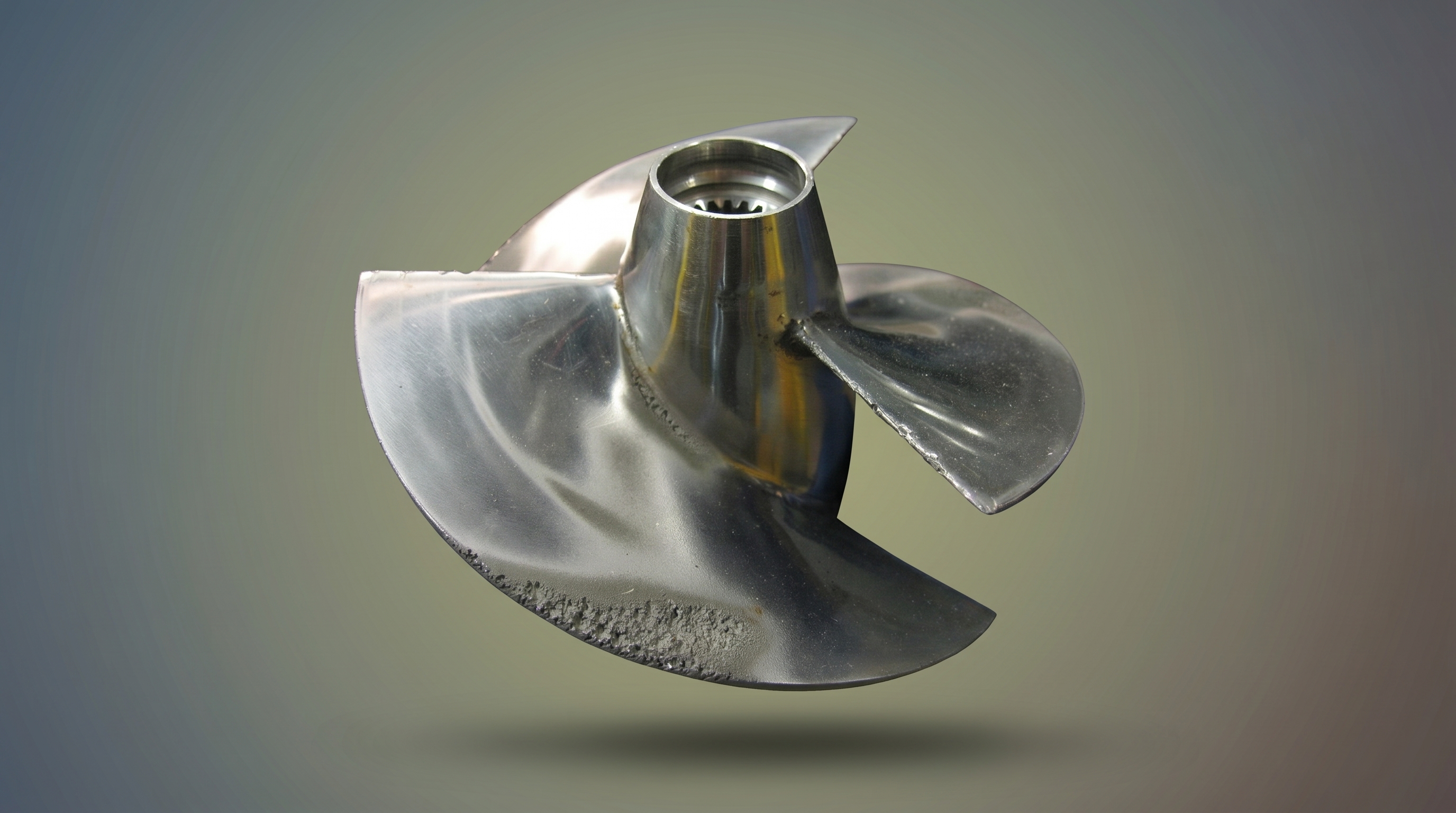
Cavitation occurs when the local pressure of a liquid drops below its vapor pressure, causing vapor bubbles to form within the fluid.
As these bubbles travel into regions of higher pressure inside the pump, they collapse violently, creating microscopic shock waves.
This collapse causes:
- Surface pitting and erosion
- Material degradation
- Localized metal damage
- Progressive impeller wear
- Reduced hydraulic efficiency
Over time, cavitation becomes a destructive failure mechanism, affecting not only the impeller but the entire rotating system.
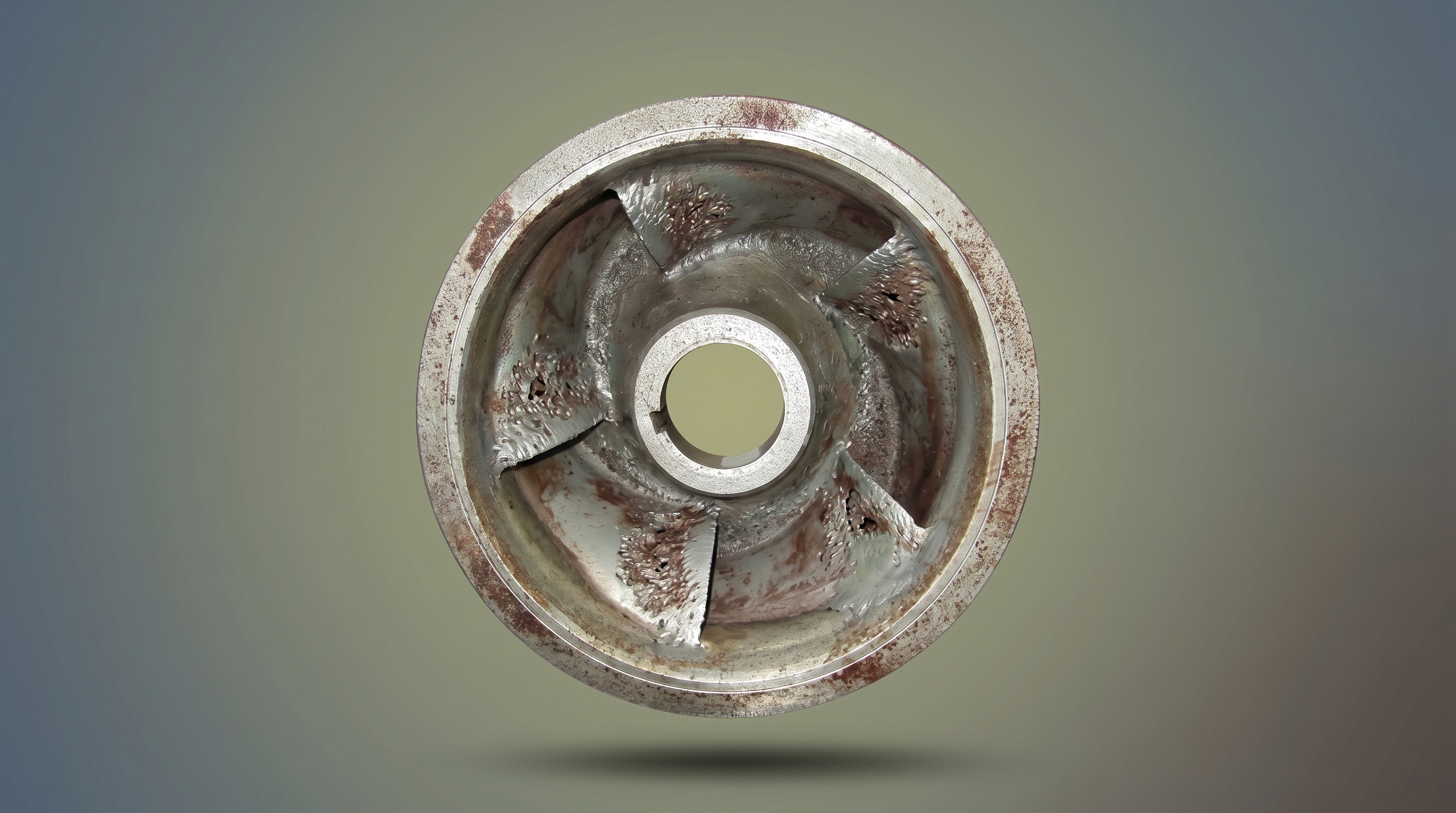
Understanding Cavitation in Centrifugal Pumps and How Failure Analysis Prevents Catastrophic Damage
In industrial operations, centrifugal pumps are the backbone of fluid handling systems across industries such as oil & gas, petrochemical, marine, energy, manufacturing, and water treatment. However, one of the most dangerous and commonly overlooked failure mechanisms affecting pump reliability is cavitation.
Many engineers first recognize cavitation by an unusual noise inside the pump — often described as gravel, marbles, or rattling sounds. Unfortunately, by the time the sound becomes noticeable, internal damage may already be severe.
At Trans Asia Industrial Laboratories, we frequently see cavitation-related damage contributing to premature pump failures, impeller erosion, vibration issues, seal damage, and reduced operational reliability.
Where Does Cavitation Usually Occur?
Cavitation most commonly occurs near the pump suction side, especially under poor hydraulic conditions.
Typical causes include:
- Poor Suction Design: Improper suction piping arrangement increases pressure losses and turbulence.
- Low Net Positive Suction Head Available (NPSHA): When NPSHA becomes lower than the pump’s required NPSH (NPSHR), cavitation risk significantly increases.
- Long Suction Lines: Extended piping lengths increase friction losses, reducing available suction pressure.
- Undersized Suction Piping: Smaller pipe diameters create higher velocity and pressure drops.
- Excessive Elbows or Restrictions: Multiple bends near the suction nozzle disturb flow patterns and increase turbulence.
Common Symptoms of Pump Cavitation
Early detection is critical to avoid major failures.
Typical warning signs include:
Gravel-like or rattling noise inside the pump
Excessive vibration
Pressure fluctuations
Reduced pump performance and flow instability
Loss of efficiency
Increased bearing temperatures
Mechanical seal overheating
Unstable discharge conditions
Ignoring these symptoms can result in expensive downtime and equipment replacement.
The Hidden Damage Caused by Cavitation
Cavitation is not just a noise problem — it is a progressive damage mechanism.
Severe cavitation can lead to:
- Impeller Pitting and Erosion
- Repeated bubble collapse causes localized metal removal and surface deterioration.
- Blade Damage
- Impeller vanes gradually weaken, reducing hydraulic efficiency.
- Mechanical Seal Failure
- Increased vibration and unstable operation accelerate seal degradation.
- Bearing Damage
- Excess vibration causes premature bearing wear.
- Shaft Deflection
- Hydraulic imbalance may lead to shaft instability and alignment issues.
- Complete Pump Failure
- Unchecked cavitation can eventually cause catastrophic breakdown.
The Role of Failure Analysis in Cavitation Investigation
When cavitation-related failure occurs, simply replacing the damaged component rarely solves the root problem.
A proper Failure Analysis Investigation helps determine:
Why cavitation initiated
Whether material degradation contributed
If improper pump selection was involved
Whether vibration accelerated damage
How hydraulic design affected failure
What corrective actions can prevent recurrence
At Trans Asia Industrial Laboratories, our failure investigations combine:
✔️ Metallurgical Examination
✔️ SEM Fractography & Surface Damage Analysis
✔️ Material Characterization
✔️ Corrosion & Erosion Assessment
✔️ Root Cause Analysis
✔️ Failure Mechanism Evaluation
Our goal is not only to explain failure — but to prevent future failures.
How to Prevent Cavitation in Pumps
To minimize cavitation risk:
Improve suction piping layout
Increase suction pipe diameter where necessary
Reduce pressure losses
Minimize elbows near suction nozzles
Maintain proper liquid levels
Ensure correct pump selection
Conduct vibration monitoring
Perform condition monitoring and failure assessments
Final Engineering Insight
Cavitation is not just a sound inside a pump.
It is a progressive destruction mechanism capable of silently damaging impellers, seals, bearings, and rotating systems long before complete failure occurs.
The earlier cavitation is identified, the lower the cost of repair, downtime, and operational risk.
Need Support with Pump Failure Investigation?
Trans Asia Industrial Laboratories LLC provides specialized Failure Analysis, Metallurgical Investigation, and Root Cause Evaluation for rotating equipment and industrial failures.
📩 Email: [email protected]
🌐 Learn More: Failure Analysis