Trans Asia

Trans Asia

Industrial
74%
Infrastructure
92%
Sustainable Projects
82%
Replica Metallography

Reveal microstructure non-destructively and detect degradation

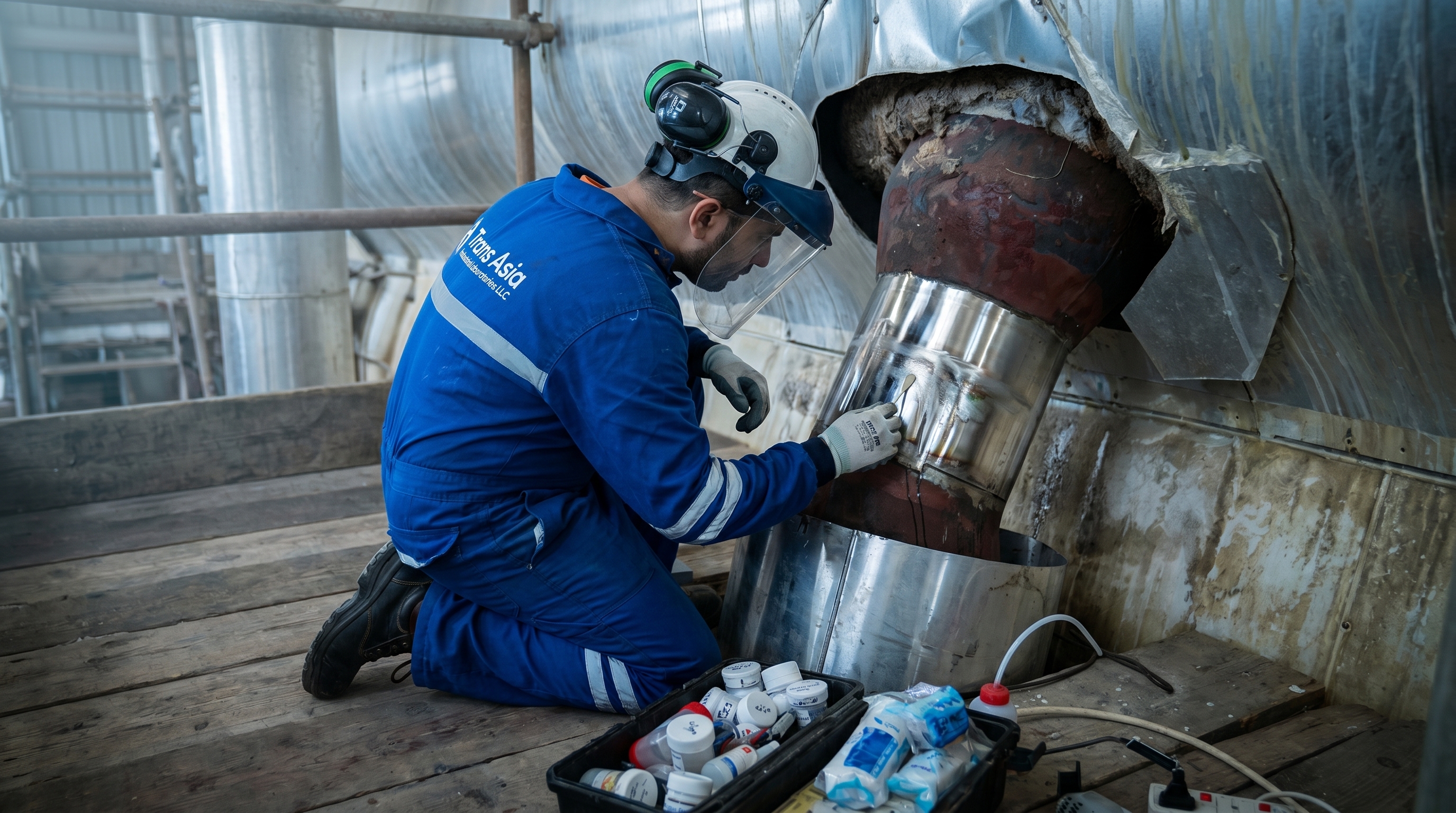
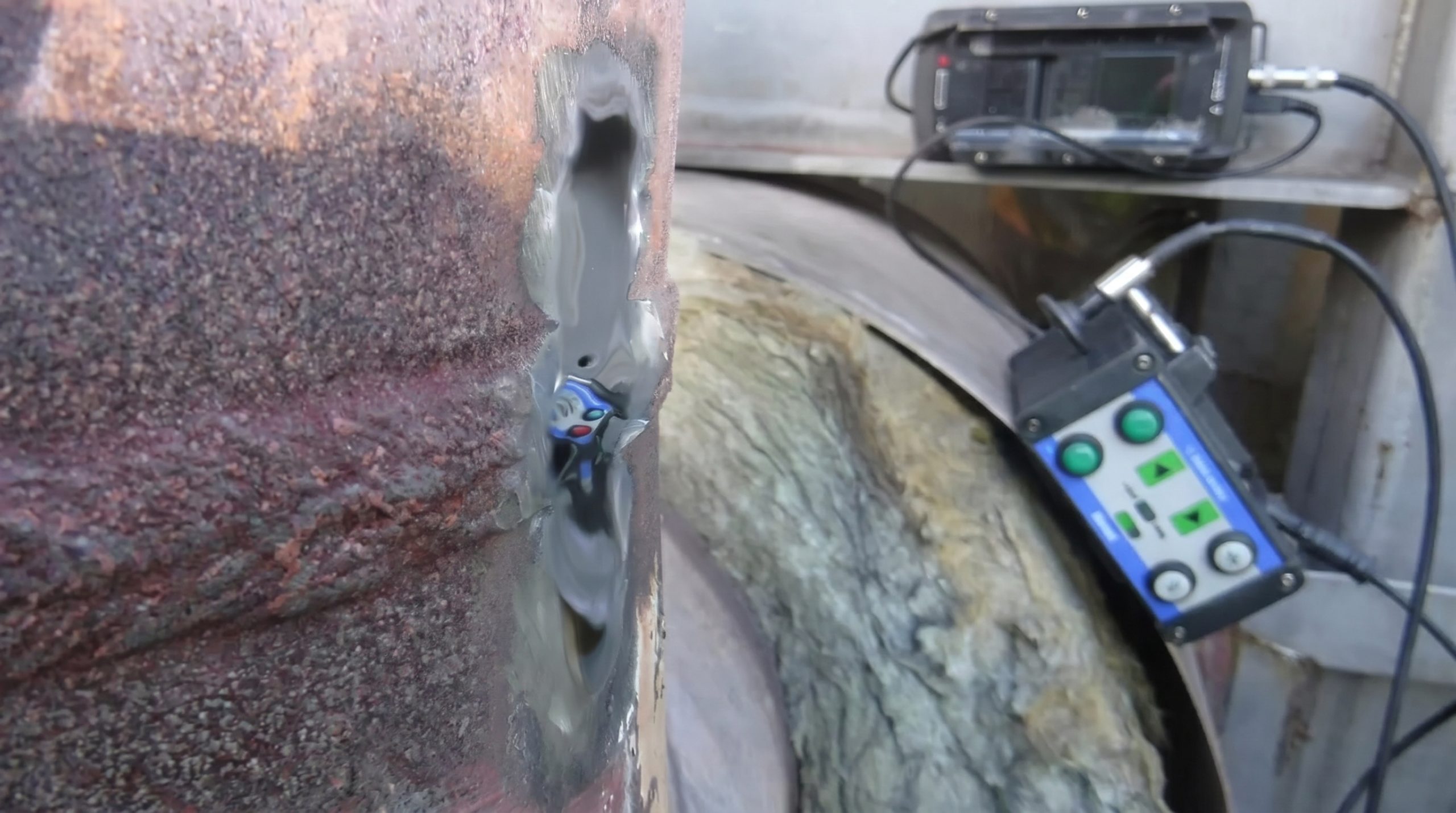
In-situ replica metallography is a non-destructive technique used to examine the microstructure of components directly in service without destroying samples. At Trans Asia Industrial Laboratories, this method enables on-site evaluation of critical equipment such as pipelines, pressure vessels, and power plant components, helping detect early signs of degradation like creep damage, microcracking, and phase changes. It is an essential tool for condition monitoring, remaining life assessment, and preventive maintenance of high-value assets.

Replica test, in-situ replica, metallography, microstructure, thermal damage, creep damage, refinery, shutdown, inspection, asset integrity, portable microscope, microstructural analysis
  • Surface preparation (grinding, polishing, and etching) at site
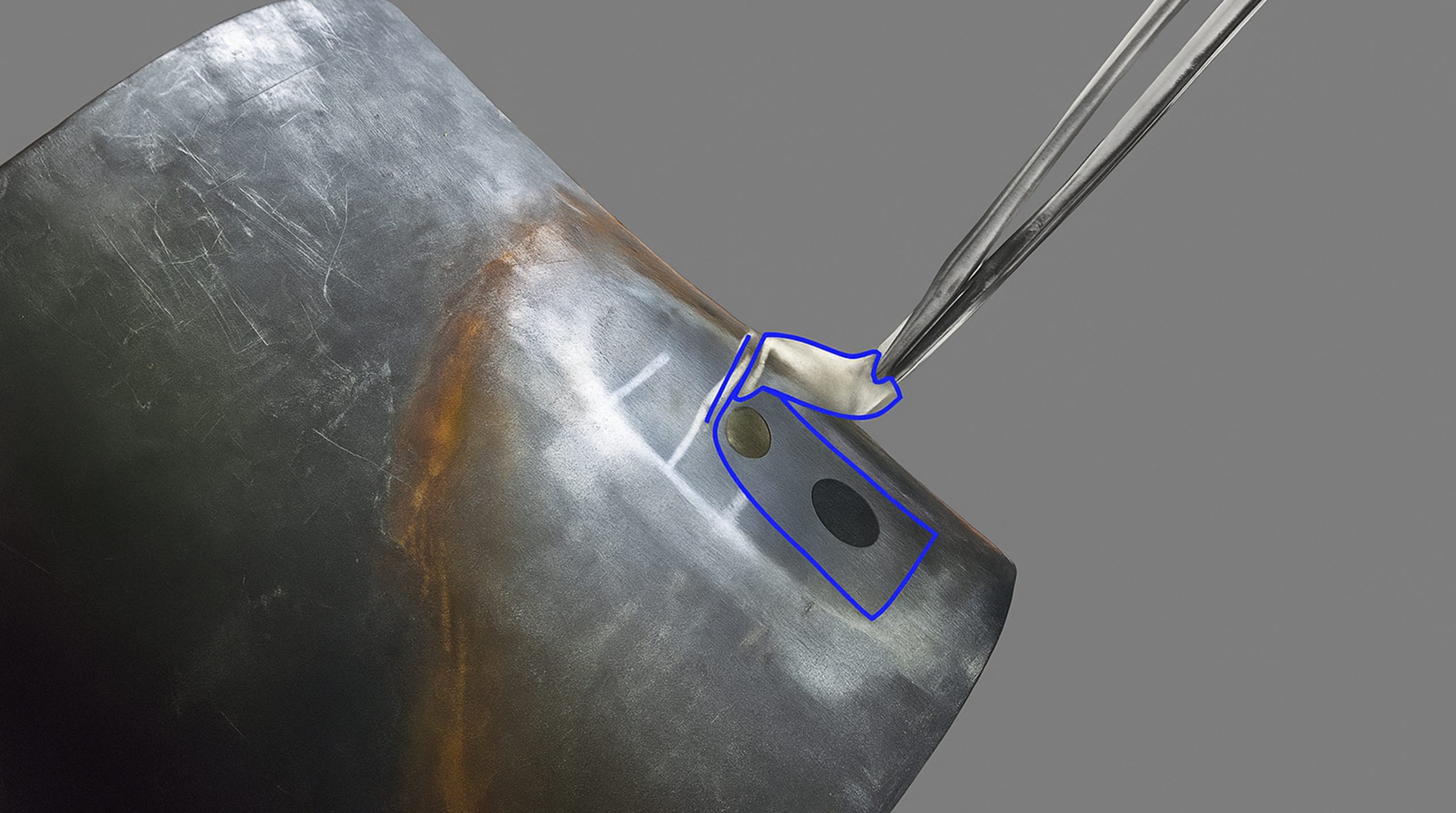
  • Replica extraction using cellulose acetate film or specialized media
  • Microstructural evaluation using optical microscopy
  • Assessment of creep damage and grain boundary degradation
  • Detection of microcracks, carbide spheroidization, and phase transformations
  • Weld and heat-affected zone (HAZ) evaluation
  • Comparative analysis with reference microstructures
  • Remaining life assessment support for critical components
Replica test, in-situ replica, metallography, microstructure, thermal damage, creep damage, refinery, shutdown, inspection, asset integrity, portable microscope, microstructural analysis
In-situ Replica Metallography

On site Metallurgical Evaluation for Every Project

Replica test, in-situ replica, metallography, microstructure, thermal damage, creep damage, refinery, shutdown, inspection, asset integrity, portable microscope, microstructural analysis

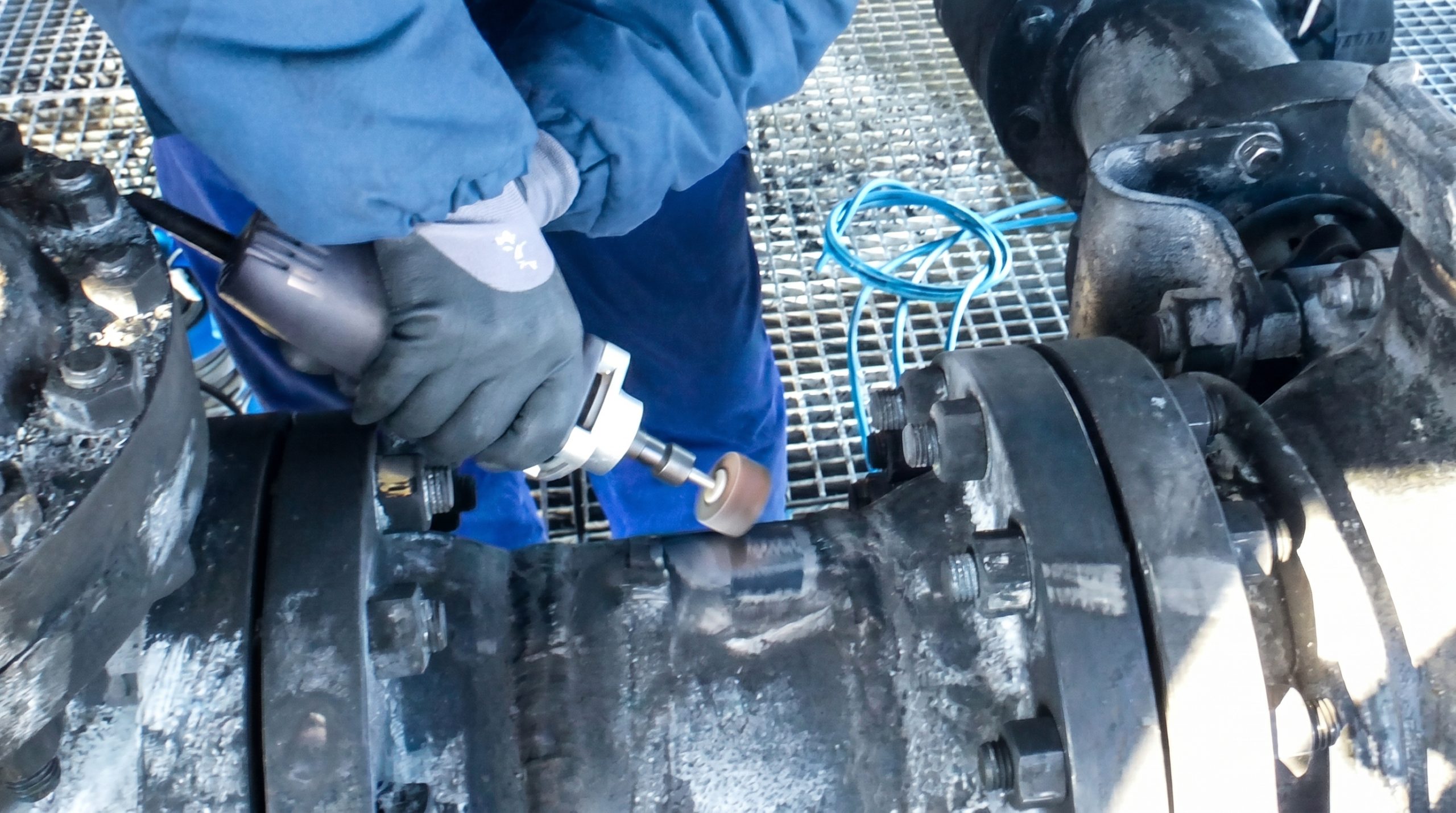
Surface irregularities and oxidation are removed by sequential abrasive grinding, creating a smooth, uniform surface for accurate replica formation and analysis.

Explore Service
Replica test, in-situ replica, metallography, microstructure, thermal damage, creep damage, refinery, shutdown, inspection, asset integrity, portable microscope, microstructural analysis

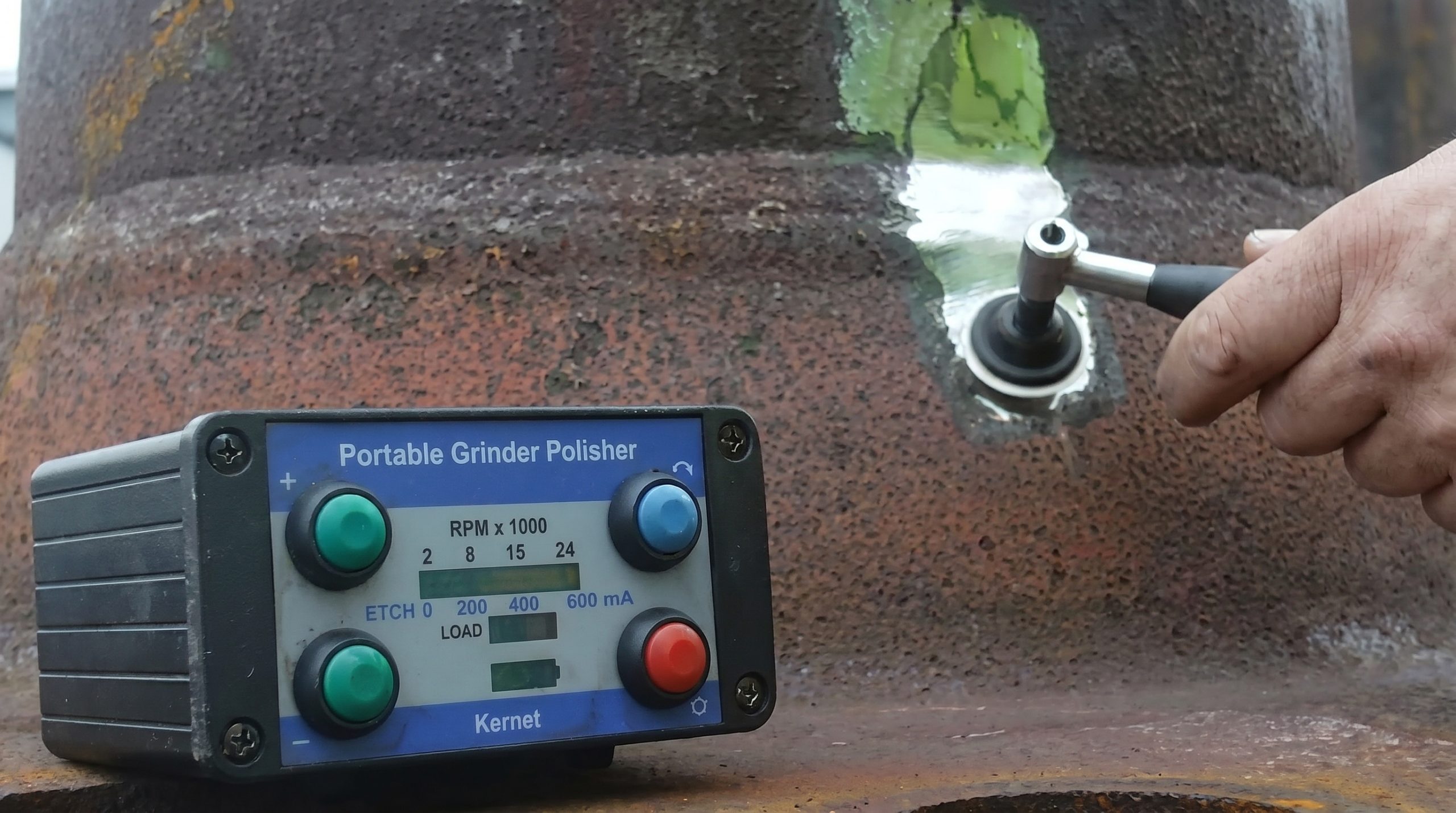
Fine polishing eliminates micro-scratches from grinding, producing a mirror-like finish, ensuring the replica faithfully captures the metal’s microstructure without distortion.

Explore Service
Replica test, in-situ replica, metallography, microstructure, thermal damage, creep damage, refinery, shutdown, inspection, asset integrity, portable microscope, microstructural analysis

A chemical or electrolytic etchant selectively reveals microstructural features, grain boundaries, and phases on the polished surface, enhancing contrast for evaluation.

Explore Service
Replica test, in-situ replica, metallography, microstructure, thermal damage, creep damage, refinery, shutdown, inspection, asset integrity, portable microscope, microstructural analysis

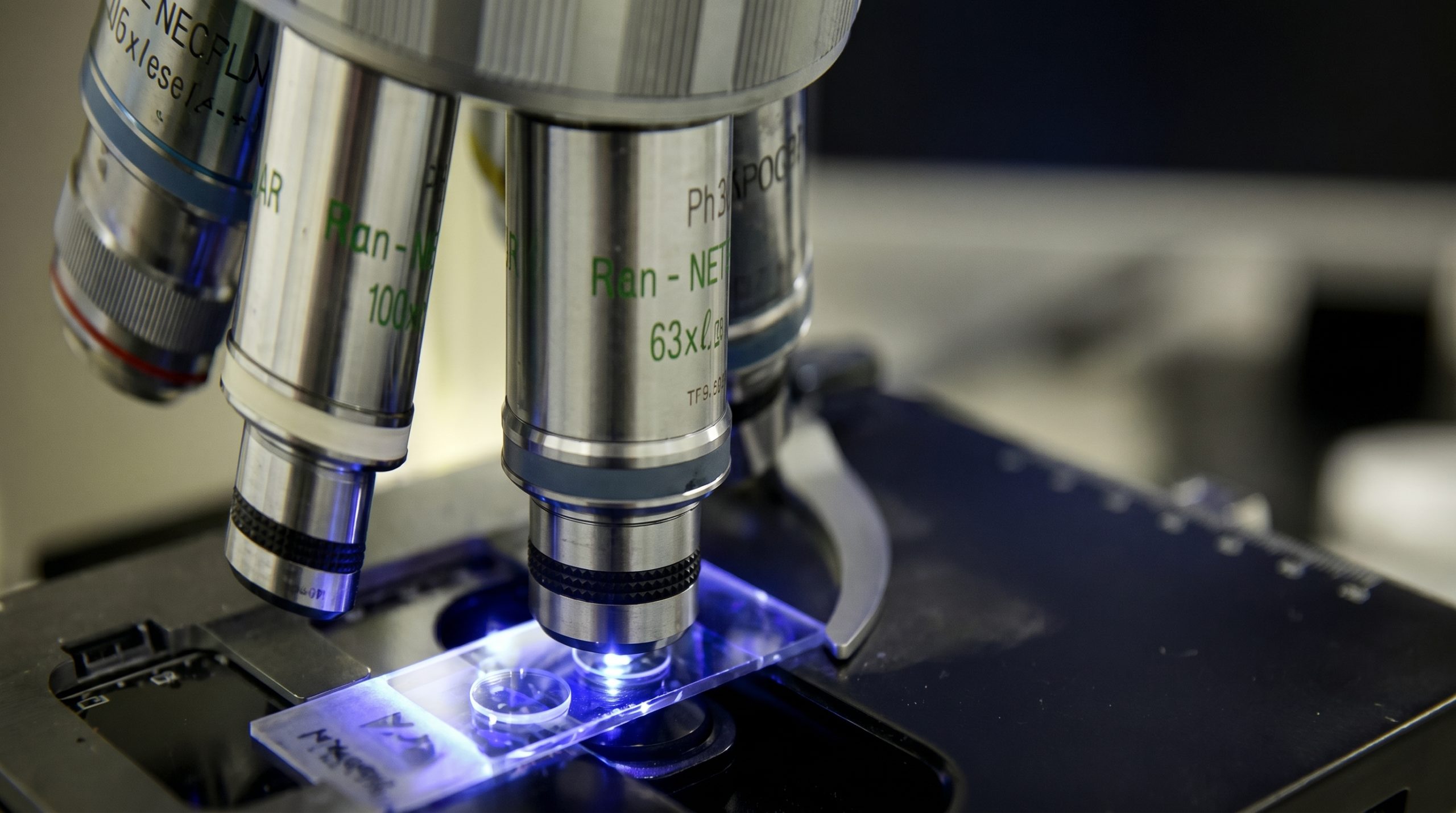
The prepared replica is examined under optical or electron microscopy to assess microstructure, defects, phase distribution, and ensure material strength and reliability.

Explore Service
Metal
Alloy
NDT
Engineering
Shut Down
Heat Treatment
Inspection
PAUT
Corrosion
Failure Analysis
Metal
Alloy
NDT
Engineering
Shut Down
Heat Treatment
Inspection
PAUT
Corrosion
Failure Analysis
Replica test, in-situ replica, metallography, microstructure, thermal damage, creep damage, refinery, shutdown, inspection, asset integrity, portable microscope, microstructural analysis
In-Situ Replica Metallography

Step 1: Grinding

Grinding is the first and most critical step in in-situ replica metallography, used to remove surface irregularities and expose the true metal surface for microstructural examination. At Trans Asia Industrial Laboratories, grinding is performed directly on the component in service using portable tools. This step eliminates oxide layers, coatings, and deformation caused by service conditions, ensuring that the underlying microstructure can be accurately replicated without introducing artifacts.

Objectives of Grinding in Replica Metallography

  • Remove surface contaminants such as oxides, corrosion products, coatings, and deposits that may obscure the true microstructure.
  • Eliminate mechanical damage and deformation layers caused by service exposure or previous machining.
  • Produce a flat and uniform surface essential for accurate polishing and replication.
  • Prevent introduction of excessive heat that may alter the microstructure.
  • Prepare the surface for subsequent polishing and etching stages.

The grinding process typically begins with coarse abrasives and progresses to finer grades to achieve a smooth and damage-free surface. Careful control of pressure, speed, and direction is essential to avoid overheating or embedding abrasive particles. In field applications, handheld grinding tools are used with precision to ensure localized preparation without affecting surrounding areas.

Grinding Techniques and Best Practices

  • Use progressive abrasive grades, starting coarse and moving to finer grit sizes for controlled material removal.
  • Apply uniform pressure and consistent motion to avoid uneven surfaces or localized damage.
  • Maintain low heat generation by controlling tool speed and applying intermittent grinding.
  • Ensure proper alignment and accessibility when working on curved or complex geometries.
  • Clean the surface between grinding stages to remove debris and prevent contamination.

Grinding must be carefully executed to avoid introducing residual stresses or surface distortion, which can lead to inaccurate metallographic interpretation. Proper technique ensures that the microstructure remains representative of the actual service condition of the component. This is especially important in critical applications such as power plants, refineries, and pipelines.

Applications of Grinding in Replica Metallography

  • Surface preparation for in-situ metallography of pipelines, pressure vessels, and structural components.
  • Removal of corrosion layers and deposits for accurate microstructural evaluation.
  • Preparation of weld zones and heat-affected areas for inspection.
  • Support for creep damage assessment and life evaluation studies.
  • Enabling accurate replication for failure analysis and condition monitoring.

At Trans Asia Industrial Laboratories, grinding is performed with strict procedural control and experienced technicians to ensure high-quality surface preparation. This step forms the foundation for accurate replica extraction and microstructural analysis, ultimately enabling reliable assessment of material condition and remaining service life.

Replica test, in-situ replica, metallography, microstructure, thermal damage, creep damage, refinery, shutdown, inspection, asset integrity, portable microscope, microstructural analysis
In-Situ Replica Metallography

Step 2: Polishing

Polishing is the critical finishing step in in-situ replica metallography, following grinding, to produce a smooth, mirror-like surface free from scratches and deformation. At Trans Asia Industrial Laboratories, polishing is carried out on-site using portable equipment to refine the prepared surface and reveal the true microstructure. This step is essential to ensure that the replica accurately captures grain boundaries, phases, and microstructural features without distortion or artifacts.

Objectives of Polishing in Replica Metallography

  • Remove fine scratches and deformation layers left after grinding to achieve a smooth, reflective surface.
  • Enhance visibility of microstructural features such as grain boundaries and phase distribution.
  • Prevent introduction of polishing-induced artifacts that may mislead analysis.
  • Prepare the surface for effective chemical etching and replica extraction.
  • Ensure high-quality replication for accurate microscopic examination.

Polishing is performed in multiple stages using progressively finer abrasives, typically involving diamond suspensions or alumina compounds. Controlled pressure and speed are applied to avoid surface damage or overheating. The goal is to produce a scratch-free surface that reflects light uniformly, enabling clear observation of microstructural details after etching.

Polishing Techniques and Best Practices

  • Use progressively finer polishing media (80 grit to 1200 grit), starting from medium grit to fine diamond or alumina suspensions for optimal surface finish.
  • Apply minimal pressure and controlled motion to avoid introducing new deformation or smearing of the surface.
  • Maintain cleanliness between stages to prevent contamination from coarser particles.
  • Ensure adequate lubrication to reduce friction and heat generation during polishing.
  • Inspect the surface regularly to confirm removal of scratches before proceeding to finer stages.

Proper polishing is essential because any residual scratches or deformation can obscure microstructural features or lead to incorrect interpretation. In field conditions, achieving laboratory-quality polishing requires skilled technicians and strict adherence to procedures, especially when working on complex geometries or restricted access areas.

Applications of Polishing in Replica Metallography

  • Preparation of critical components such as pipelines, pressure vessels, and turbine parts for microstructural replication.
  • Enhancement of surface quality for accurate etching and replica film application.
  • Support for creep damage assessment and life evaluation studies.
  • Evaluation of weld zones and heat-affected regions for degradation or defects.
  • Enabling precise microstructural analysis for failure investigation and condition monitoring.

At Trans Asia Industrial Laboratories, polishing is executed with precision and expertise to ensure high-quality surface preparation. This step is fundamental to obtaining reliable replicas and accurate metallurgical insights, supporting effective condition assessment and integrity management of critical assets.

Replica test, in-situ replica, metallography, microstructure, thermal damage, creep damage, refinery, shutdown, inspection, asset integrity, portable microscope, microstructural analysis
In-Situ Replica Metallography

Step 3: Etching

Etching is the final surface-preparation step in in-situ replica metallography, used to reveal the microstructure after grinding and polishing. At Trans Asia Industrial Laboratories, controlled chemical etching selectively attacks different phases and grain boundaries, creating contrast necessary for accurate replication. The process transforms a mirror-finished surface into a microstructurally readable one, enabling clear identification of grains, phases, inclusions, and damage mechanisms.

Objectives of Etching

  • Reveal grain boundaries and phase distribution by preferential chemical attack on different constituents of the metal surface.
  • Create sufficient contrast for accurate replica capture and microscopic examination.
  • Highlight microstructural features such as carbides, ferrite, pearlite, or martensite.
  • Enable detection of degradation mechanisms like creep voids, microcracks, or sensitization.
  • Ensure reproducible and consistent results without over-etching or surface damage.

Etching is performed using specific chemical reagents selected based on the material composition (e.g., Nital for steels). The etchant is applied carefully for a controlled duration, typically using swabbing or immersion techniques in field conditions. Proper timing is critical—under-etching may not reveal sufficient detail, while over-etching can obscure features or damage the surface.

Etching Techniques and Best Practices

  • Select appropriate etchant composition based on material type and expected microstructure for optimal contrast.
  • Apply etchant uniformly using swabbing techniques for in-situ applications to ensure controlled exposure.
  • Monitor etching time carefully to avoid over-etching and loss of microstructural clarity.
  • Rinse and neutralize the surface immediately after etching to stop the reaction.
  • Dry the surface properly to prevent staining or contamination before replica application.

Proper etching is essential for capturing an accurate replica, as it directly influences the clarity and reliability of the microstructural image. In field applications, technicians must balance precision and practicality, ensuring consistent results despite environmental challenges such as temperature, accessibility, and surface conditions.

Applications of Etching in Replica Metallography

  • Revealing microstructures for replica extraction in pipelines, pressure vessels, and high-temperature components.
  • Identification of creep damage, grain boundary degradation, and phase transformations in service-exposed materials.
  • Evaluation of welds and heat-affected zones for metallurgical changes.
  • Support for failure analysis by highlighting crack initiation and propagation paths.
  • Enabling accurate condition monitoring and remaining life assessment of critical assets.

At Trans Asia Industrial Laboratories, etching is carried out with strict procedural control and expert supervision to ensure optimal contrast and accurate microstructural representation. This step is crucial for obtaining high-quality replicas and reliable metallurgical insights, supporting effective asset integrity management and failure prevention.

Replica test, in-situ replica, metallography, microstructure, thermal damage, creep damage, refinery, shutdown, inspection, asset integrity, portable microscope, microstructural analysis
In-Situ Replica Metallography

Step 4: Evaluation

The evaluation process in in-situ replica metallography is the final and most critical stage, where the extracted replica is examined to interpret the material’s microstructural condition. At Trans Asia Industrial Laboratories, this process involves analyzing the replicated surface under a microscope to identify features such as grain structure, phase distribution, creep damage, and microcracks. The goal is to assess the actual condition of the component without removing material, enabling reliable condition monitoring and life assessment.

Key Features Evaluated

  • Grain structure and size, indicating material stability and exposure to thermal or mechanical stresses during service.
  • Phase distribution such as ferrite, pearlite, or carbides, reflecting material condition and heat treatment effects.
  • Presence of creep damage, including voids and grain boundary separation in high-temperature components.
  • Detection of microcracks or early-stage defects that may lead to failure.
  • Evidence of degradation mechanisms such as oxidation, corrosion, or phase transformation.

The replica, typically captured on an acetate film, is examined using optical microscopy at magnifications ranging from 100X to 1000X. The clarity of the replica depends on the quality of surface preparation and etching. Experienced metallurgists interpret the observed features by comparing them with standard reference microstructures and known degradation patterns to determine the severity of damage and remaining service life.

Evaluation Techniques and Tools

  • Optical microscopy for detailed observation of microstructural features captured on replica films.
  • Digital image analysis for documentation, measurement, and comparison of microstructural characteristics.
  • Reference standards and microstructure atlases for accurate interpretation of observed features.
  • Comparative analysis with baseline or previous inspection data to monitor degradation over time.
  • Expert metallurgical interpretation to correlate findings with service conditions and operational history.

The evaluation process is essential for identifying early signs of material degradation that are not visible through conventional inspection methods. It plays a crucial role in industries such as power generation, petrochemical, and oil & gas, where components operate under high temperature and stress conditions.

Applications of Evaluation in Replica Metallography

  • Assessment of creep damage in high-temperature components such as boilers, turbines, and piping systems.
  • Monitoring of welds and heat-affected zones for microstructural changes and degradation.
  • Detection of early-stage defects to prevent unexpected failures.
  • Support for remaining life assessment and maintenance planning.
  • Contribution to failure analysis by identifying root causes at the microstructural level.

At Trans Asia Industrial Laboratories, the evaluation process is carried out with precision and expertise, ensuring accurate interpretation of replica results. Our detailed reporting provides actionable insights, helping clients make informed decisions on maintenance, repair, or replacement of critical assets, thereby enhancing safety and operational reliability.

Mechanical Test
Failure Analysis
NDT
Advanced NDT
Inspection
Heat Treatment
Mechanical Test
Failure Analysis
NDT
Advanced NDT
Inspection
Heat Treatment