Trans Asia

Industrial
74%
Infrastructure
92%
Sustainable Projects
82%
Inspection Services

Accurate inspection driving performance and reliability

Inspection services are critical to ensuring the quality, safety, and reliability of industrial assets across their lifecycle—from fabrication to in-service operation. At Trans Asia Industrial Laboratories, we deliver comprehensive inspection solutions covering welding, coatings, plant systems, and critical equipment, aligned with international codes and industry best practices. Our certified inspectors and engineers support clients with quality control, compliance verification, and asset integrity management, helping to minimize risks, prevent failures, and ensure operational continuity across sectors such as oil & gas, power, marine, and infrastructure.

Asset Integrity, Fitness for Service, FFS, API Inspection, Plant inspection, shut down inspection, turn around, piping inspection, tank inspection, pressure vessel inspection, RBI, risk based inspection, in-service inspection, new construction inspection, condition monitoring
  • Welding Inspection (CSWIP / AWS Certified Inspectors)
  • Coating & Painting Inspection (NACE / BGAS Certified Inspectors)
  • Third-Party Quality Control (QC) Inspection Services
  • Plant Inspection & Asset Integrity Assessment
  • API Inspection Services (API 510, API 570, API 653)
  • Shutdown / Turnaround Inspection Support
  • In-Service Inspection & Condition Monitoring
  • Vendor Inspection & Expediting Services
  • Pre-commissioning & Commissioning Inspection
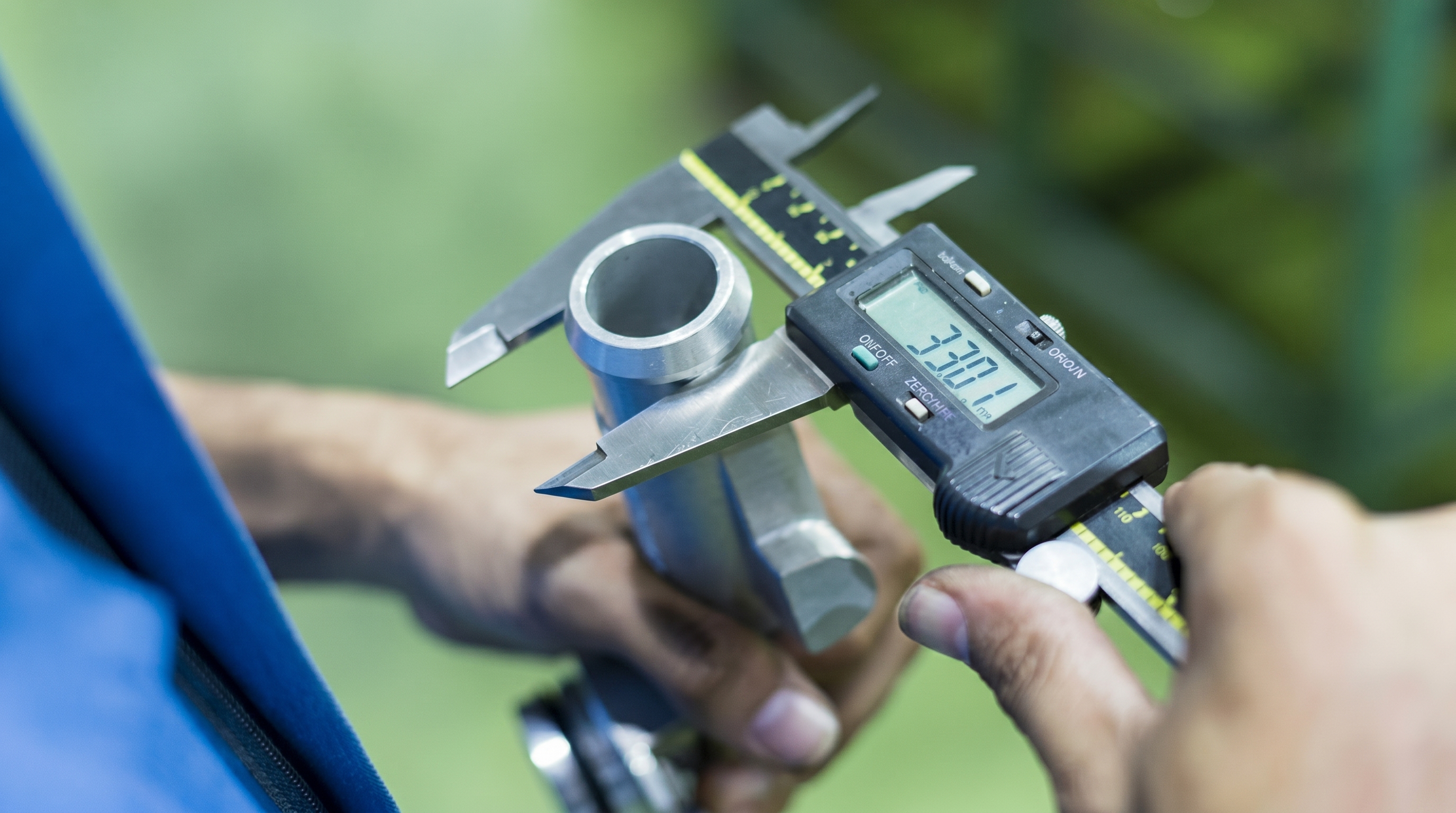
  • Dimensional & Visual Inspection Services
Asset Integrity, Fitness for Service, FFS, API Inspection, Plant inspection, shut down inspection, turn around, piping inspection, tank inspection, pressure vessel inspection, RBI, risk based inspection, in-service inspection, new construction inspection, condition monitoring
Robotics & Automation Services

Trusted inspection solutions for industrial excellence

Inspection, quality inspection, welding inspection, coating, painting inspection, third party inspection, lab witness, factory assessment, shipment inspection

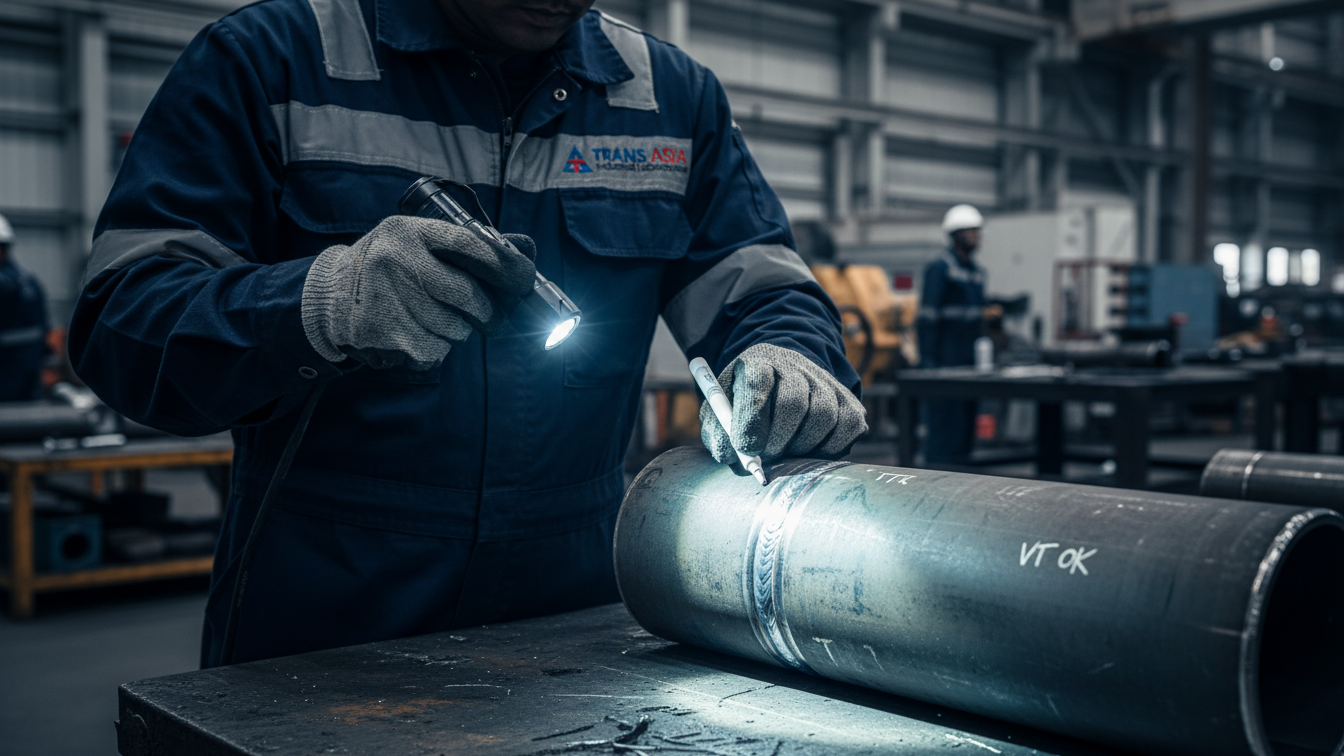
Welding inspection ensures structural integrity, safety, and long-term performance of welded components across industries such as oil & gas, power, marine, and construction. The process involves systematic examination before, during, and after welding to detect defects, confirm procedure compliance, and ensure that materials and workmanship meet applicable specifications.

Welding inspection, quality inspection, qc inspection, coating inspection, painting inspection, asset Integrity, Fitness for Service, FFS, API Inspection, Plant inspection, shut down inspection, turn around, piping inspection, tank inspection, pressure vessel inspection, RBI, risk based inspection, in-service inspection, new construction inspection, condition monitoring

Coating & Painting Inspection is a critical quality control process that ensures protective coatings are properly applied to prevent corrosion, extend asset life, and maintain performance in harsh environments.

Welding inspection, quality inspection, qc inspection, coating inspection, painting inspection, asset Integrity, Fitness for Service, FFS, API Inspection, Plant inspection, shut down inspection, turn around, piping inspection, tank inspection, pressure vessel inspection, RBI, risk based inspection, in-service inspection, new construction inspection, condition monitoring

QC inspection services are designed to ensure compliance, minimize defects, and maintain consistency across all stages of production and supply. From raw material verification to final product acceptance, QC inspection plays a crucial role in delivering reliable and defect-free products across industries such as oil & gas, power, construction, and manufacturing.

Welding inspection, quality inspection, qc inspection, coating inspection, painting inspection, asset Integrity, Fitness for Service, FFS, API Inspection, Plant inspection, shut down inspection, turn around, piping inspection, tank inspection, pressure vessel inspection, RBI, risk based inspection, in-service inspection, new construction inspection, condition monitoring

API inspections are carried out by certified inspectors to evaluate equipment such as pressure vessels, piping systems, and storage tanks throughout their service life. These inspections help identify degradation mechanisms, ensure compliance with regulatory requirements, and support safe and efficient plant operations.

Welding inspection, quality inspection, qc inspection, coating inspection, painting inspection, asset Integrity, Fitness for Service, FFS, API Inspection, Plant inspection, shut down inspection, turn around, piping inspection, tank inspection, pressure vessel inspection, RBI, risk based inspection, in-service inspection, new construction inspection, condition monitoring

Sshutdown inspection services are designed to support clients in executing time-bound inspection and maintenance activities efficiently. These inspections are essential in industries such as oil & gas, petrochemical, and power, where equipment operates under high stress and harsh environments, making periodic assessment crucial for reliability and safety.

Metal
Alloy
NDT
Engineering
Shut Down
Heat Treatment
Inspection
PAUT
Corrosion
Failure Analysis
Metal
Alloy
NDT
Engineering
Shut Down
Heat Treatment
Inspection
PAUT
Corrosion
Failure Analysis
Welding inspection, asset Integrity, Fitness for Service, FFS, API Inspection, Plant inspection, shut down inspection, turn around, piping inspection, tank inspection, pressure vessel inspection, RBI, risk based inspection, in-service inspection, new construction inspection, condition monitoring
Inspection Services

Welding Inspection

Coating & Painting Inspection is a critical quality control process that ensures protective coatings are properly applied to prevent corrosion, extend asset life, and maintain performance in harsh environments. At Trans Asia Industrial Laboratories, coating inspection services are carried out in accordance with international standards to verify surface preparation, application procedures, and final coating integrity. These inspections are essential for industries such as oil & gas, marine, power, and infrastructure, where environmental exposure can significantly impact material durability.

Key Stages of Coating Inspection

  • Pre-application inspection verifies surface preparation, cleanliness, and profile to ensure proper adhesion of coating systems.
  • During application inspection monitors environmental conditions such as temperature, humidity, and dew point, along with coating techniques.
  • Post-application inspection evaluates coating thickness, curing, and surface finish for compliance with specifications.
  • Holiday testing identifies discontinuities or pinholes in coatings, especially for protective linings.
  • Final inspection and documentation ensure compliance with project requirements and quality standards.

Proper coating inspection helps prevent premature coating failure, corrosion, and costly maintenance. At Trans Asia, inspections are performed by highly qualified personnel holding internationally recognized certifications such as BGAS-CSWIP Painting Inspectors, NACE Certified Coating Inspectors (Level 1/2/3), SSPC certifications, and ISO-based qualifications, ensuring strict adherence to standards like ISO 8501, ISO 12944, NACE, and SSPC.

Inspector Certifications & Competency

  • BGAS-CSWIP Grade 1 & 2 Painting Inspectors ensuring compliance with international coating inspection standards and offshore requirements.
  • NACE Certified Coating Inspectors (Level 1, 2, 3) with expertise in corrosion protection and coating system evaluation.
  • SSPC Certified Inspectors for protective coating application and quality assurance practices.
  • ISO 9712 / SNT-TC-1A certified NDT personnel supporting coating integrity verification through complementary inspection techniques.
  • Experienced inspectors with project exposure in oil & gas, marine, infrastructure, and power sectors.

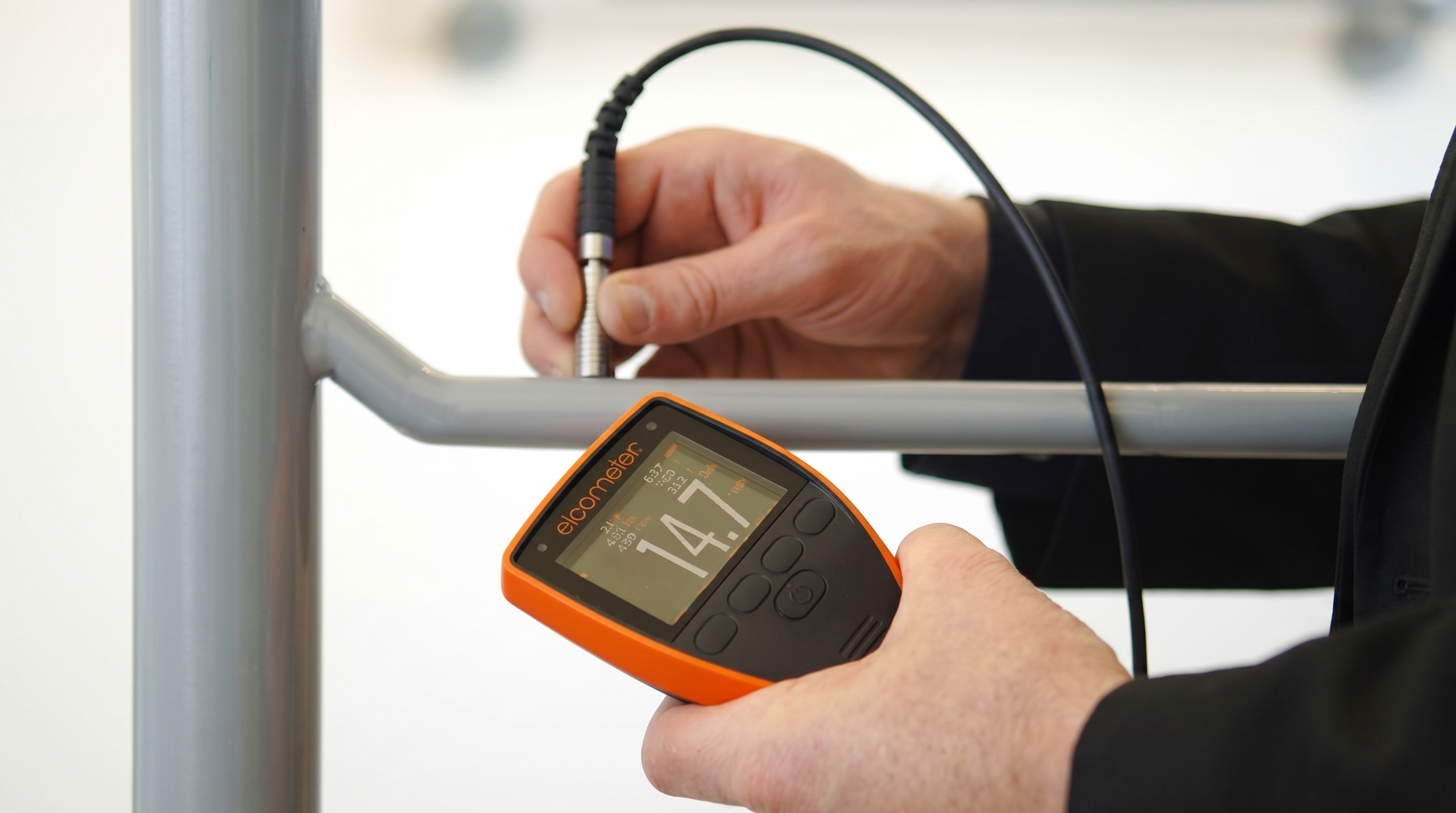
Coating inspection involves the use of specialized instruments such as surface profile gauges, DFT meters, dew point meters, and holiday detectors. These tools help inspectors ensure that coatings meet design specifications and provide adequate protection against corrosion and environmental damage.

Inspection Techniques Used

  • Visual inspection to assess coating uniformity, coverage, and surface defects such as runs, sags, or blistering.
  • Dry film thickness measurement using magnetic or ultrasonic gauges for accurate thickness verification.
  • Surface profile measurement to confirm proper preparation before coating application.
  • Holiday testing to detect pinholes, cracks, or discontinuities in protective coatings.
  • Adhesion testing to evaluate bond strength between coating and substrate.

Effective coating inspection not only ensures compliance but also enhances asset reliability and reduces long-term maintenance costs. It plays a vital role in corrosion control strategies for critical infrastructure.

Advantages of Coating & Painting Inspection

  • Prevents corrosion and extends service life of assets exposed to aggressive environments.
  • Ensures compliance with international standards and project specifications.
  • Detects coating defects early, reducing rework and maintenance costs.
  • Improves reliability and performance of protective coating systems.
  • Supports documentation and traceability for quality assurance and audits.

At Trans Asia Industrial Laboratories, coating and painting inspections are conducted by certified professionals using advanced equipment and proven procedures. Our team of BGAS-CSWIP, NACE, and SSPC certified inspectors ensures high-quality coating application, long-term protection, and reliable performance of critical industrial assets.


Welding inspection, quality inspection, qc inspection, coating inspection, painting inspection, asset Integrity, Fitness for Service, FFS, API Inspection, Plant inspection, shut down inspection, turn around, piping inspection, tank inspection, pressure vessel inspection, RBI, risk based inspection, in-service inspection, new construction inspection, condition monitoring
Inspection Services

Coating & Painting Inspection

Coating & Painting Inspection is a critical quality control process that ensures protective coatings are properly applied to prevent corrosion, extend asset life, and maintain performance in harsh environments. At Trans Asia Industrial Laboratories, coating inspection services are carried out in accordance with international standards to verify surface preparation, application procedures, and final coating integrity. These inspections are essential for industries such as oil & gas, marine, power, and infrastructure, where environmental exposure can significantly impact material durability.

Key Stages of Coating Inspection

  • Pre-application inspection verifies surface preparation, cleanliness, and profile to ensure proper adhesion of coating systems.
  • During application inspection monitors environmental conditions such as temperature, humidity, and dew point, along with coating techniques.
  • Post-application inspection evaluates coating thickness, curing, and surface finish for compliance with specifications.
  • Holiday testing identifies discontinuities or pinholes in coatings, especially for protective linings.
  • Final inspection and documentation ensure compliance with project requirements and quality standards.

Proper coating inspection helps prevent premature coating failure, corrosion, and costly maintenance. Certified inspectors follow standards such as NACE, SSPC, and ISO, ensuring coatings are applied correctly and perform as intended throughout their service life.

Key Parameters Monitored

  • Surface cleanliness and preparation level, including removal of rust, scale, oil, and contaminants prior to coating application.
  • Surface profile or roughness to ensure proper mechanical bonding of the coating system.
  • Environmental conditions such as temperature, humidity, and dew point to avoid coating defects during application.
  • Dry film thickness (DFT) and wet film thickness (WFT) measurements to verify coating compliance.
  • Adhesion and curing characteristics to ensure durability and long-term performance.

Coating inspection involves the use of specialized instruments such as surface profile gauges, DFT meters, dew point meters, and holiday detectors. These tools help inspectors ensure that coatings meet design specifications and provide adequate protection against corrosion and environmental damage.

Inspection Techniques Used

  • Visual inspection to assess coating uniformity, coverage, and surface defects such as runs, sags, or blistering.
  • Dry film thickness measurement using magnetic or ultrasonic gauges for accurate thickness verification.
  • Surface profile measurement to confirm proper preparation before coating application.
  • Holiday testing to detect pinholes, cracks, or discontinuities in protective coatings.
  • Adhesion testing to evaluate bond strength between coating and substrate.

Effective coating inspection not only ensures compliance but also enhances asset reliability and reduces long-term maintenance costs. It plays a vital role in corrosion control strategies for critical infrastructure.

Advantages of Coating & Painting Inspection

  • Prevents corrosion and extends service life of assets exposed to aggressive environments.
  • Ensures compliance with international standards and project specifications.
  • Detects coating defects early, reducing rework and maintenance costs.
  • Improves reliability and performance of protective coating systems.
  • Supports documentation and traceability for quality assurance and audits.

At Trans Asia Industrial Laboratories, coating and painting inspections are conducted by certified professionals using advanced equipment and proven procedures. Our services ensure high-quality coating application, long-term protection, and reliable performance of critical industrial assets.

Welding inspection, quality inspection, qc inspection, coating inspection, painting inspection, asset Integrity, Fitness for Service, FFS, API Inspection, Plant inspection, shut down inspection, turn around, piping inspection, tank inspection, pressure vessel inspection, RBI, risk based inspection, in-service inspection, new construction inspection, condition monitoring
Inspection Services

Quality Control Inspection

Quality Control (QC) Inspection is a systematic process to verify that materials, fabrication, and finished components meet specified standards, drawings, and project requirements. At Trans Asia Industrial Laboratories, QC inspection services are designed to ensure compliance, minimize defects, and maintain consistency across all stages of production and supply. From raw material verification to final product acceptance, QC inspection plays a crucial role in delivering reliable and defect-free products across industries such as oil & gas, power, construction, and manufacturing.

Key Stages of QC Inspection

  • Incoming material inspection verifies material grade, dimensions, and certification compliance before use in production processes.
  • In-process inspection monitors fabrication activities such as cutting, welding, machining, and assembly to ensure adherence to specifications.
  • Final inspection evaluates completed products for dimensional accuracy, workmanship, and compliance with standards.
  • Documentation review ensures traceability of materials, inspection records, and quality documents.
  • Pre-shipment inspection confirms readiness of products before delivery to clients or site.

QC inspection ensures that all processes are controlled and aligned with international quality standards. At Trans Asia, inspections are performed by experienced QC inspectors and engineers familiar with standards such as ISO, ASME, API, AWS, and client-specific specifications, ensuring consistent quality and compliance throughout the project lifecycle.

Inspector Qualifications & Competency

  • Experienced QC Inspectors and Engineers with strong knowledge of fabrication processes, materials, and quality standards.
  • Certified personnel with qualifications such as CSWIP, AWS, BGAS-CSWIP, NACE, and ISO-based certifications relevant to inspection scope.
  • NDT certified personnel (ISO 9712 / SNT-TC-1A) supporting inspection through advanced testing methods.
  • Skilled in interpreting drawings, specifications, and inspection procedures for accurate verification.
  • Extensive industry experience across oil & gas, power, marine, and infrastructure projects.

QC inspection often integrates with non-destructive testing and inspection techniques to provide a comprehensive evaluation of product quality. It ensures early detection of deviations, reducing rework and enhancing overall efficiency.

Inspection Activities Covered

  • Dimensional inspection to verify compliance with engineering drawings and tolerances.
  • Welding inspection to ensure weld quality and adherence to approved procedures.
  • Material verification including PMI and certification checks for traceability.
  • Coating inspection to confirm surface preparation and protective system compliance.
  • Functional and visual inspection to ensure product readiness and performance.

Effective QC inspection helps organizations maintain high standards of quality, reduce risks, and meet client expectations. It supports continuous improvement and ensures that products meet both regulatory and contractual requirements.

Advantages of QC Inspection

  • Ensures compliance with project specifications, codes, and international standards.
  • Detects defects early in the production cycle, minimizing rework and cost overruns.
  • Enhances product reliability and performance through consistent quality control.
  • Provides traceability and documentation for audits and certification purposes.
  • Builds client confidence through verified quality and inspection transparency.

At Trans Asia Industrial Laboratories, QC inspection services are delivered by qualified professionals using structured methodologies and advanced tools. Our integrated approach ensures accurate verification, compliance assurance, and consistent quality across all stages of fabrication and supply.

Asset Integrity, Fitness for Service, FFS, API Inspection, Plant inspection, shut down inspection, turn around, piping inspection, tank inspection, pressure vessel inspection, RBI, risk based inspection, in-service inspection, new construction inspection, condition monitoring
Inspection Services

API Inspection

API Inspection refers to specialized inspection services conducted in accordance with American Petroleum Institute (API) standards to ensure the integrity, safety, and reliability of pressure equipment in oil & gas and petrochemical industries. At Trans Asia Industrial Laboratories, API inspections are carried out by certified inspectors to evaluate equipment such as pressure vessels, piping systems, and storage tanks throughout their service life. These inspections help identify degradation mechanisms, ensure compliance with regulatory requirements, and support safe and efficient plant operations.

Key API Inspection Certifications

  • API 510 certification for inspection, repair, and maintenance of pressure vessels used in process plants and refineries.
  • API 570 certification for inspection of piping systems, including in-service condition monitoring and integrity assessment.
  • API 653 certification for inspection of aboveground storage tanks, ensuring safe operation and maintenance.
  • Knowledge of related standards such as API 571 (damage mechanisms) and API 579 (fitness-for-service).
  • Certified inspectors ensure compliance with industry regulations and best practices.

API inspection plays a crucial role in maintaining asset integrity and preventing failures in critical equipment operating under high pressure and temperature conditions. These inspections are typically performed during operation (in-service) or during shutdowns and turnarounds to assess equipment condition and remaining life.

Scope of API Inspection

  • Inspection of pressure vessels to assess corrosion, cracking, and mechanical integrity during operation and maintenance cycles.
  • Evaluation of piping systems for wall thinning, corrosion, and damage mechanisms affecting performance.
  • Inspection of storage tanks for bottom corrosion, shell integrity, and structural stability.
  • Assessment of equipment fitness-for-service based on inspection data and operational conditions.
  • Review of inspection records, maintenance history, and compliance documentation.

API inspections are supported by advanced non-destructive testing (NDT) techniques such as ultrasonic testing, radiography, and magnetic particle testing. These methods provide detailed insights into internal and external conditions of equipment without interrupting operations.

Inspection Techniques & Methods

  • Ultrasonic Testing (UT) for thickness measurement and corrosion monitoring in pressure equipment and piping systems.
  • Radiographic Testing (RT) for detection of internal defects in welds and critical components.
  • Magnetic Particle Testing (MT) for surface and near-surface crack detection in ferromagnetic materials.
  • Liquid Penetrant Testing (PT) for identifying surface-breaking defects in non-porous materials.
  • Visual inspection and dimensional checks to assess overall equipment condition and compliance.

API inspection services help organizations comply with regulatory requirements, extend equipment life, and reduce the risk of unexpected failures. They also support maintenance planning and risk-based inspection (RBI) strategies.

Advantages of API Inspection

  • Ensures compliance with internationally recognized API standards and regulatory requirements.
  • Detects degradation mechanisms early, preventing catastrophic failures and unplanned shutdowns.
  • Supports risk-based inspection and maintenance planning for optimized asset management.
  • Enhances safety and reliability of pressure equipment in critical industries.
  • Provides detailed inspection records for traceability, audits, and certification.

At Trans Asia Industrial Laboratories, API inspection services are delivered by certified API 510, API 570, and API 653 inspectors with extensive industry experience. Our integrated approach ensures accurate assessment, compliance assurance, and long-term reliability of critical assets in oil & gas and petrochemical facilities.

Inspection Services

Shutdown & Turnaround Inspection

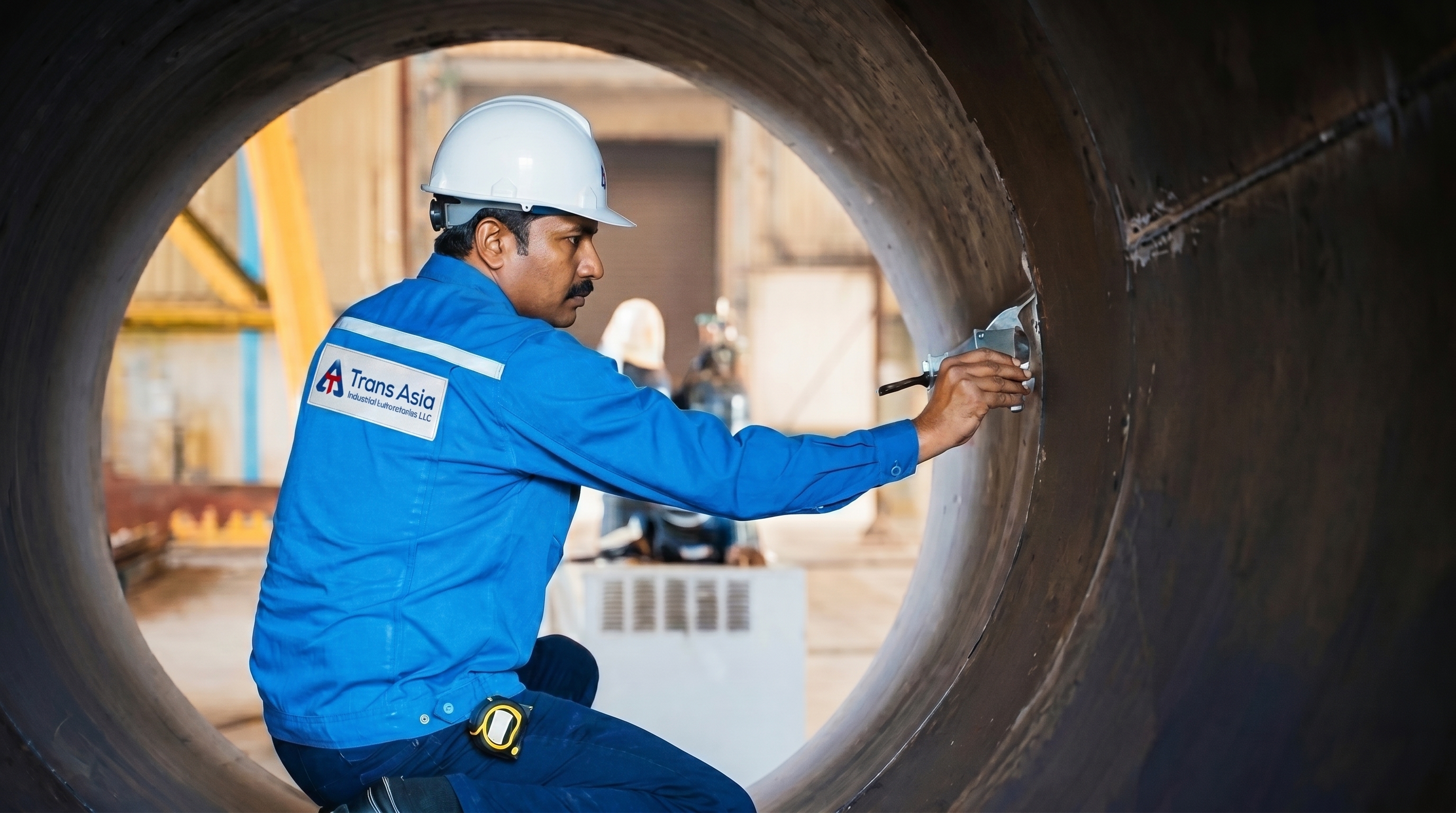
Shutdown & Turnaround Inspection (TAR) is a critical activity carried out during planned plant shutdowns to assess the condition of equipment, perform necessary repairs, and ensure safe restart of operations. At Trans Asia Industrial Laboratories, shutdown inspection services are designed to support clients in executing time-bound inspection and maintenance activities efficiently. These inspections are essential in industries such as oil & gas, petrochemical, and power, where equipment operates under high stress and harsh environments, making periodic assessment crucial for reliability and safety.

Key Objectives of Shutdown & Turnaround Inspection

  • Assess the condition of critical equipment such as pressure vessels, piping, tanks, and structural components during plant shutdowns.
  • Identify corrosion, erosion, cracking, and other degradation mechanisms that may affect equipment performance.
  • Verify compliance with applicable standards, codes, and maintenance procedures before restarting operations.
  • Support repair and replacement decisions based on inspection findings and condition assessment.
  • Ensure safe and efficient plant restart with minimized operational risks.

Shutdown inspections provide a unique opportunity to conduct detailed internal and external evaluations that are not possible during normal operation. These inspections are carefully planned and executed within tight timelines to avoid delays and ensure smooth turnaround execution.

Scope of Inspection Activities

  • Internal inspection of pressure vessels and tanks to evaluate corrosion, deposits, and structural integrity.
  • Inspection of piping systems for wall thinning, cracking, and damage caused by service conditions.
  • Evaluation of welds and structural components using advanced NDT techniques.
  • Coating and lining inspection to assess protective systems and identify areas requiring maintenance.
  • Verification of repair work and maintenance activities before recommissioning.

Shutdown & Turnaround Inspection requires coordination between inspection teams, maintenance crews, and operations personnel. Effective planning and execution are essential to maximize inspection coverage within the available shutdown window.

Inspection Techniques & Methods

  • Ultrasonic Testing (UT) for thickness measurement and corrosion assessment in pipelines and vessels.
  • Radiographic Testing (RT) for internal weld inspection and defect detection.
  • Magnetic Particle Testing (MT) for surface crack detection in ferromagnetic materials.
  • Liquid Penetrant Testing (PT) for identifying surface defects in non-porous materials.
  • Advanced techniques such as PAUT and TOFD for accurate defect characterization and sizing.

Effective shutdown inspection not only ensures compliance but also supports long-term asset reliability and performance. It helps organizations identify potential failures before they occur, reducing unplanned downtime and maintenance costs.

Advantages of Shutdown & Turnaround Inspection

  • Enables comprehensive inspection of equipment that is not accessible during normal operation.
  • Supports early detection of defects, reducing risk of failure and unplanned shutdowns.
  • Enhances safety by ensuring all equipment is fit for service before restart.
  • Optimizes maintenance planning and resource utilization during turnaround activities.
  • Provides detailed documentation for compliance, audits, and future reference.

At Trans Asia Industrial Laboratories, shutdown and turnaround inspections are performed by experienced inspectors and NDT specialists using advanced equipment and proven methodologies. Our integrated approach ensures efficient execution, accurate assessment, and reliable support for safe and timely plant restart.

Mechanical Test
Failure Analysis
NDT
Advanced NDT
Inspection
Heat Treatment
Mechanical Test
Failure Analysis
NDT
Advanced NDT
Inspection
Heat Treatment