Trans Asia

Industrial
74%
Infrastructure
92%
Sustainable Projects
82%
Corrosion Test

Detect corrosion early, prevent costly failures

Corrosion testing is essential to evaluate how materials behave in aggressive environments and to predict their long-term performance. At Trans Asia Industrial Laboratories, we provide comprehensive corrosion testing services to help industries identify degradation mechanisms, validate material selection, assess protective coatings, and prevent premature failures. Our testing supports compliance with international standards and enables informed decisions to enhance asset integrity, safety, and reliability across diverse applications.

  • Intergranular Corrosion (IGC) Testing for austenitic stainless steel as per ASTM A 262 Practice A, B and E
  • Intergranular Corrosion (IGC) Testing for Nickel based alloys & Inconel materials as per ASTM G 28
  • Pitting Corrosion Testing as per ASTM G48 Method A & C / ASTM A 923 Method C.
  • Stress Corrosion Cracking (SCC) Testing as per NACE TM0177 Method A
  • Four Point Bent Stress Corrosion Cracking (SCC) Testing as per EPC Publication 16/G39/NACE TM0177
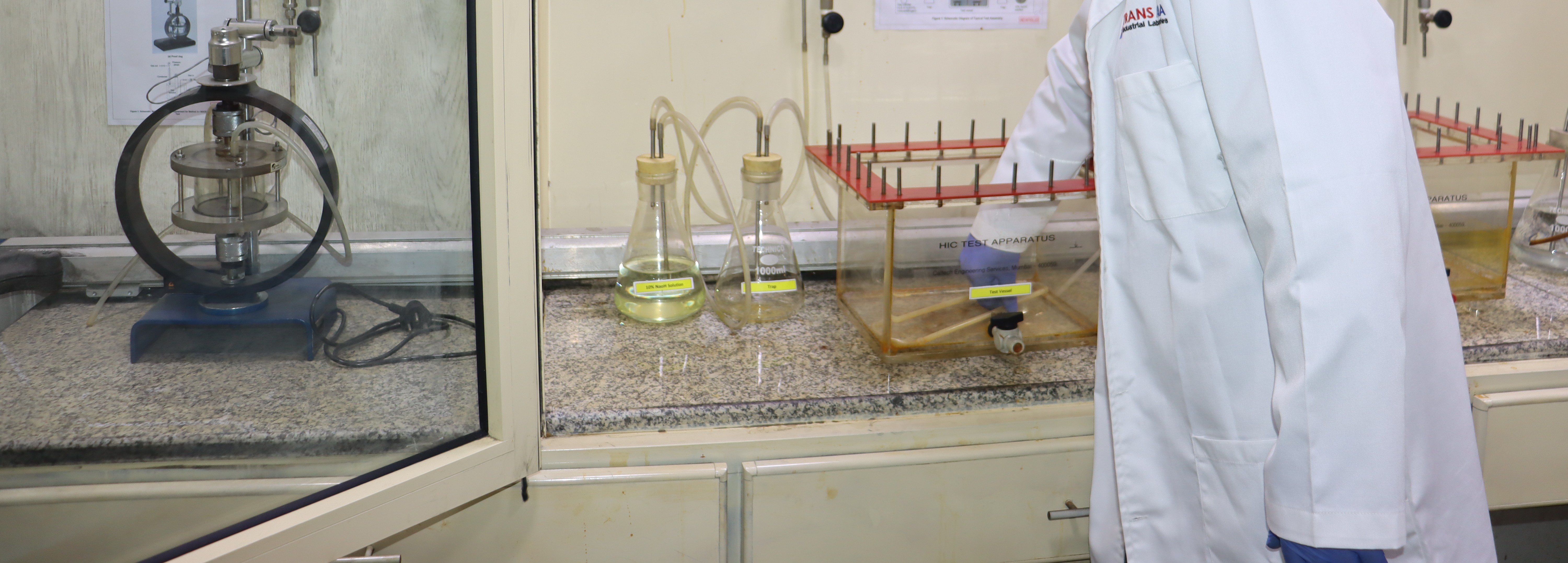
  • Hydrogen Induced Cracking (HIC) as per NACE TM 0284
  • Stress-Oriented Hydrogen Induced Cracking (SOHIC) as per standard NACE MR0175/ISO15156
  • Salt Spray (Fog) Testing
  • Detrimental Intermetallic Phase Test as per ASTM A923
  • Corrosion Rate Measurement & Evaluation
corrosion test, HIC test, hydrogen induced cracking, SSC test, stress corrosion cracking
Corrosion Test

Expert Corrosion Test Services for Every Project

Intergranular corrosion (IGC) is a localized form of attack that progresses along the grain boundaries of metallic materials, often leading to rapid loss of mechanical strength and ductility.

Explore Service

We provide specialized pitting corrosion testing to evaluate material performance, verify alloy quality, and ensure suitability for aggressive service environments.

Explore Service

Atomic hydrogen generated during corrosion diffuses into the metal and accumulates at internal defects such as inclusions or laminations, leading to the formation of internal cracks without external stress.

Explore Service

We provide specialized pitting corrosion testing to evaluate material performance, verify alloy quality, and ensure suitability for aggressive service environments.

Explore Service
Metal
Alloy
NDT
Engineering
Shut Down
Heat Treatment
Inspection
PAUT
Corrosion
Failure Analysis
Metal
Alloy
NDT
Engineering
Shut Down
Heat Treatment
Inspection
PAUT
Corrosion
Failure Analysis
Corrosion Test

Intergranular Corrosion (IGC) Testing

Intergranular corrosion (IGC) is a localized form of attack that progresses along the grain boundaries of metallic materials, often leading to rapid loss of mechanical strength and ductility. This phenomenon is commonly associated with chromium carbide precipitation in stainless steels, where exposure to temperatures between 500°C and 800°C—such as during welding—causes chromium depletion at grain boundaries. As a result, these regions become more susceptible to corrosion compared to the surrounding material.

At Trans Asia Industrial Laboratories, we specialize in detecting and evaluating IGC to support industries in ensuring material integrity, process control, and long-term reliability.

Materials Susceptible to IGC

Intergranular corrosion can affect a range of crystalline materials, particularly:

  • Steels (especially austenitic stainless steels)
  • Brasses
  • Bronzes
  • Aluminum alloys

IGC Testing Standards

Trans Asia Industrial Laboratories LLC conducts IGC testing in accordance with internationally recognized standards, including:

ASTM A262 – Practices for Detecting Susceptibility to Intergranular Attack

  • Practice A – Oxalic Acid Etch Test

    ASTM A262 Practice A is a rapid screening method used to assess the susceptibility of austenitic stainless steels to intergranular corrosion. The test involves electrolytic etching of the specimen in a 10% oxalic acid solution, followed by microscopic examination of the grain boundary structure. Based on the etch pattern—step, dual, or ditch—the material’s sensitization level is identified. This method is primarily used as a quick acceptance tool to determine whether further, more rigorous corrosion testing is required.

  • Practice B – Ferric Sulfate–Sulfuric Acid Test

    ASTM A262 Practice B is a quantitative test used to evaluate intergranular corrosion through weight loss measurement. The specimen is exposed to a boiling ferric sulfate–sulfuric acid solution, promoting preferential attack along sensitized grain boundaries. After exposure, the material is cleaned and weighed to determine corrosion rate. This method provides measurable data on the degree of sensitization and is widely used for comparative analysis, material qualification, and quality control.

  • Practice E – Copper–Copper Sulfate–Sulfuric Acid Test

    ASTM A262 Practice E is a confirmatory method for detecting susceptibility to intergranular corrosion in austenitic stainless steels. The specimen is immersed in a boiling copper sulfate–sulfuric acid solution and then subjected to a 180° bend test. The presence of cracks or fissures along grain boundaries indicates susceptibility. This method evaluates the loss of ductility due to intergranular attack and is considered a reliable indicator of material performance under corrosive service conditions.

ASTM G28 – Intergranular Corrosion Testing for Nickel Alloys

ASTM G28 is used to assess intergranular corrosion resistance in nickel-rich and high-performance alloys. The test typically involves exposing specimens to aggressive boiling acid solutions, followed by evaluation based on weight loss. It is particularly relevant for materials used in severe chemical and high-temperature environments. ASTM G28 helps determine alloy suitability, detect sensitization, and ensure compliance with industry standards, making it essential for critical applications in oil & gas, petrochemical, and power sectors.

Why IGC Tests Matter

Together, A262 Practice A, B, E and G28 provide a comprehensive approach:

  • Practice A offers a fast, economical screening method
  • Practice B offers quantitative measure of corrosion.
  • Practice E delivers a reliable, performance-based confirmation
  • ASTM G28 determines alloy suitability and detects sensitiaztion.

At Trans Asia Industrial Laboratories, these standardized testing methods ensure accurate assessment of material behavior, helping industries prevent failures, validate welding procedures, and maintain long-term asset reliability.

Corrosion Test

Pitting Corrosion Testing

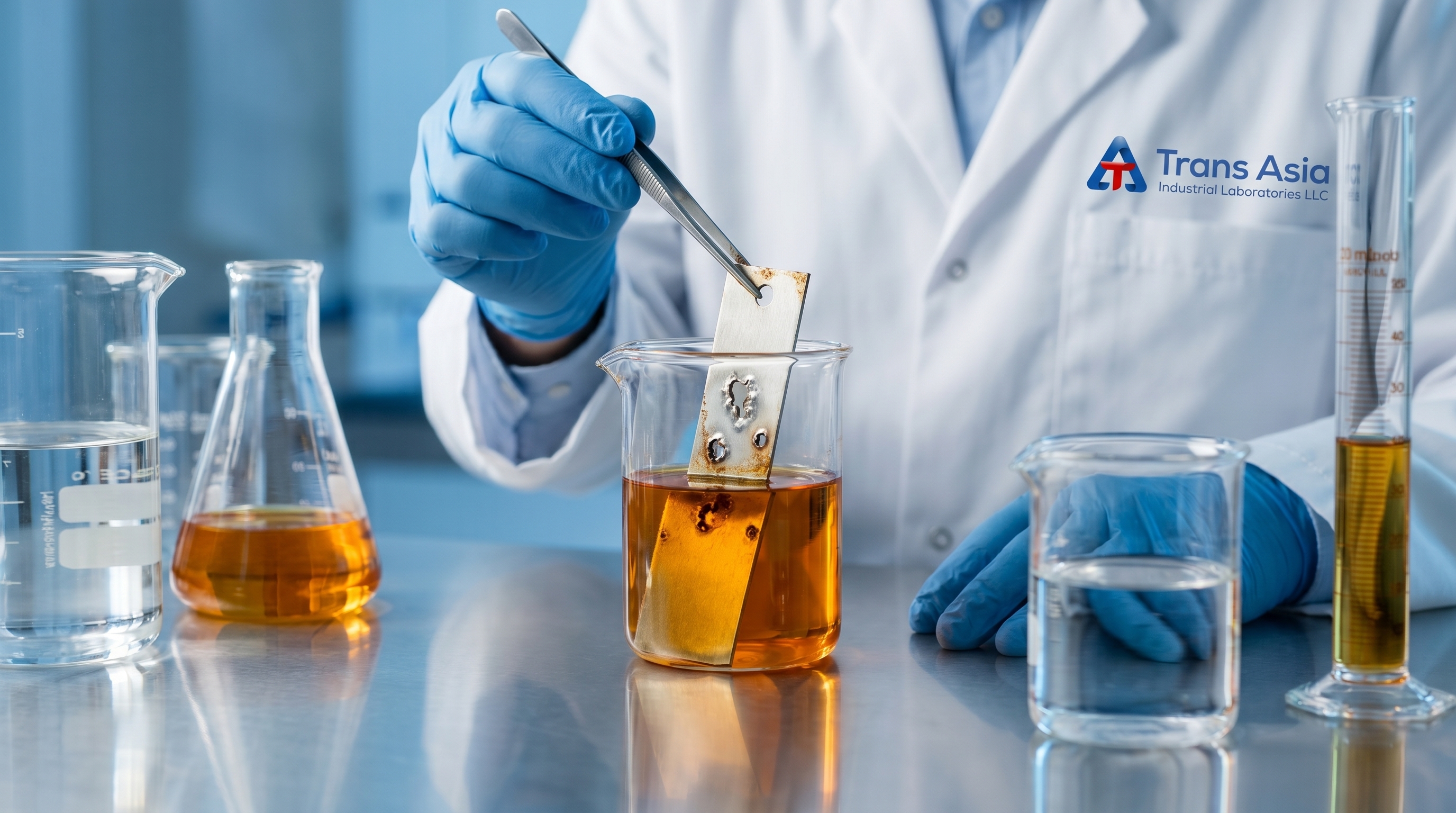
Pitting corrosion is a localized form of attack that leads to the formation of small, deep cavities on metal surfaces. Despite minimal overall material loss, pitting can significantly reduce structural integrity and lead to sudden failures, particularly in stainless steels and corrosion-resistant alloys. At Trans Asia Industrial Laboratories, we provide specialized pitting corrosion testing to evaluate material performance, verify alloy quality, and ensure suitability for aggressive service environments.

ASTM G48 – Pitting Corrosion Testing (Methods A & C)

ASTM G48 is a widely recognized standard used to assess the resistance of stainless steels and related alloys to pitting and crevice corrosion in chloride-rich environments.

Method A – Ferric Chloride Immersion Test

In Method A, test specimens are immersed in a ferric chloride (FeCl₃) solution at a controlled temperature for a specified duration. This highly aggressive environment promotes localized pitting on susceptible materials. After exposure, specimens are cleaned and evaluated for:

  • Weight loss
  • Presence, depth, and density of pits

This method is commonly used for material qualification, comparative evaluation, and quality control.

Method C – Critical Pitting Temperature (CPT) Test

Method C determines the Critical Pitting Temperature (CPT)—the lowest temperature at which stable pitting initiates under standardized conditions. The specimen is exposed to ferric chloride solution while temperature is gradually increased until pitting is observed.

This test provides:

  • A quantitative measure of pitting resistance
  • Comparative ranking of materials and alloys
  • Valuable data for material selection in harsh environments

ASTM A923 Method C – Pitting Resistance of Duplex Stainless Steels

ASTM A923 Method C is specifically designed to evaluate the pitting corrosion resistance of duplex and super duplex stainless steels, particularly after heat treatment or fabrication processes.

In this method:

  • Specimens are immersed in a ferric chloride solution under controlled conditions
  • The test assesses susceptibility to pitting associated with undesirable microstructural phases
  • Evaluation is based on weight loss and visual examination of pits

This method is critical for ensuring that duplex stainless steels maintain their intended corrosion resistance and microstructural integrity.

Why Pitting Corrosion Testing Matters

  • Detects localized corrosion risks not visible through general inspection
  • Supports material selection and qualification for chloride environments
  • Ensures compliance with ASTM and international standards
  • Helps prevent unexpected failures in critical assets

At Trans Asia Industrial Laboratories, we combine standardized testing with expert metallurgical interpretation to deliver accurate, reliable, and actionable insights, helping industries enhance durability, safety, and performance in demanding operating conditions.


corrosion test, HIC test, hydrogen induced cracking, SSC test, stress corrosion cracking
Corrosion Test

Hydrogen Induced Cracking (HIC) Testing

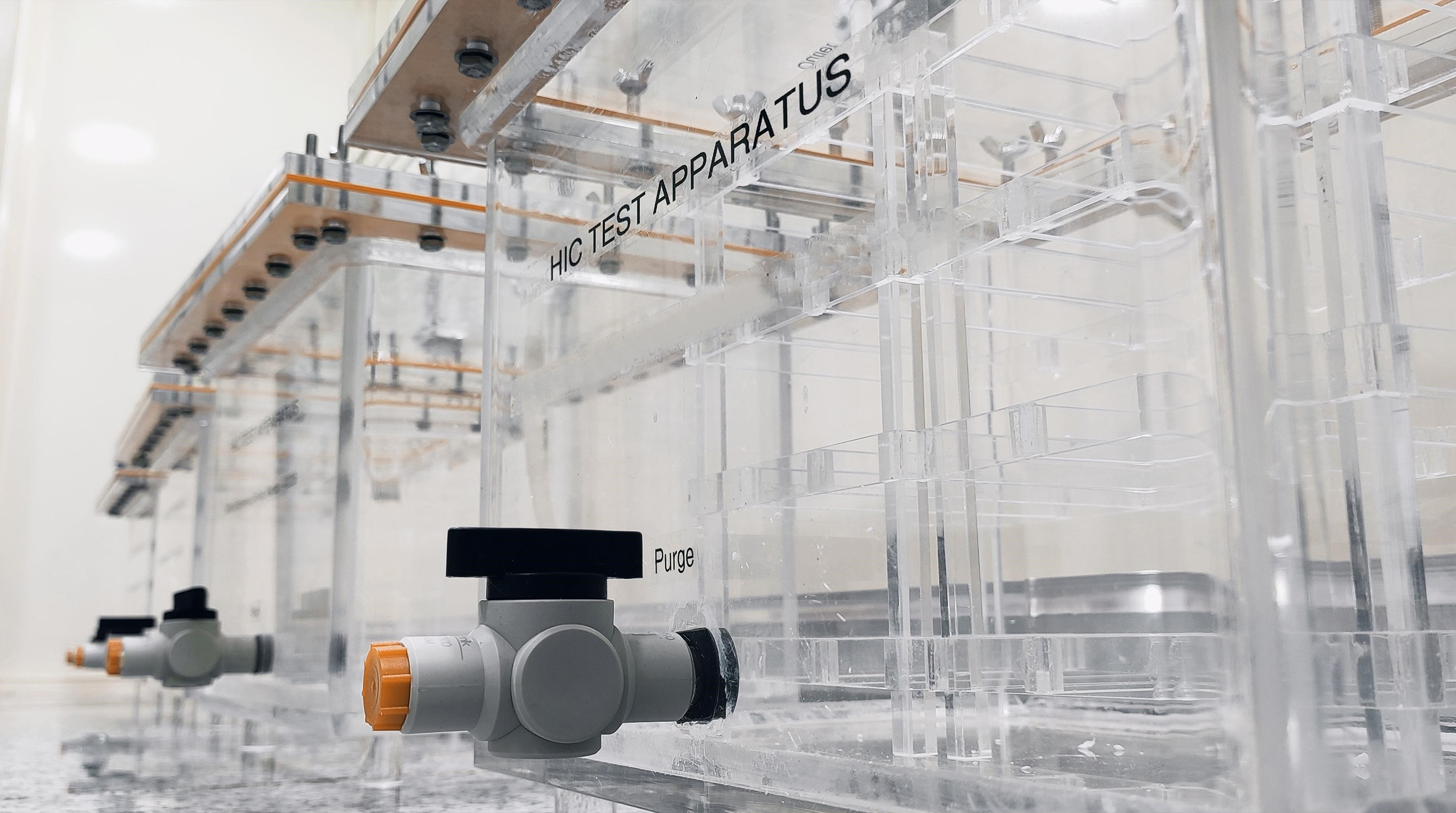
Hydrogen Induced Cracking (HIC) is a critical damage mechanism that affects steels exposed to wet H₂S (sour service) environments. Atomic hydrogen generated during corrosion diffuses into the metal and accumulates at internal defects such as inclusions or laminations, leading to the formation of internal cracks without external stress. This can significantly compromise structural integrity and result in unexpected failures in pipelines, pressure vessels, and process equipment.

At Trans Asia Industrial Laboratories, we perform HIC testing in accordance with NACE TM0284, helping industries evaluate material resistance and ensure suitability for sour service applications.

NACE TM0284 – HIC Test Method

NACE TM0284 is the internationally recognized standard for assessing the susceptibility of steels to hydrogen-induced cracking.

Test Procedure

  • Test specimens are immersed in a controlled acidic solution saturated with hydrogen sulfide (H₂S)
  • Exposure is typically conducted for 96 hours under standardized conditions
  • The environment promotes hydrogen generation and diffusion into the material
  • After exposure, specimens are sectioned and examined for internal cracking

Evaluation & Reporting

Crack susceptibility is quantified using standardized parameters:

  • Crack Length Ratio (CLR)
  • Crack Thickness Ratio (CTR)
  • Crack Sensitivity Ratio (CSR)

These values indicate the extent and severity of internal cracking and are compared against acceptance criteria based on project or industry specifications.

Stress-Oriented Hydrogen Induced Cracking (SOHIC) Testing

Stress-Oriented Hydrogen Induced Cracking (SOHIC) is an advanced form of hydrogen damage characterized by stepwise cracking aligned in the direction of applied or residual stress, often occurring in sour service environments. Unlike conventional HIC, SOHIC develops as interconnected crack arrays, significantly increasing the risk of sudden failure in pipelines and pressure equipment. At Trans Asia Industrial Laboratories, SOHIC evaluation is conducted in line with NACE MR0175 / ISO 15156 requirements, supporting material qualification for critical applications. This testing helps assess susceptibility under combined hydrogen exposure and stress conditions, ensuring enhanced reliability, safety, and long-term performance in demanding oil & gas environments.

Applications

  • Carbon steels for oil & gas pipelines
  • Pressure vessels and process equipment
  • Materials used in sour service environments
  • Qualification of plates, pipes, and weldments

Why HIC Testing is Critical

  • Ensures material suitability for H₂S-containing environments
  • Prevents subsurface cracking and sudden failures
  • Supports compliance with NACE, ISO, and project specifications
  • Enhances asset integrity, safety, and reliability

At Trans Asia Industrial Laboratories, we combine advanced testing facilities with metallurgical expertise to deliver accurate, reliable, and standards-compliant HIC evaluations, supporting safe and efficient operation in demanding environments.

Corrosion Test

Sulfide Stress Corrosion Cracking (SSCC) Testing

Sulfide Stress Corrosion Cracking (SSCC) is a critical failure mechanism affecting steels exposed to wet H₂S (sour service) environments under tensile stress. The combined action of hydrogen generated from corrosion and applied or residual stress can lead to sudden brittle cracking, even at stress levels below the material’s yield strength. SSCC is a major concern in pipelines, pressure vessels, and oil & gas infrastructure.

At Trans Asia Industrial Laboratories, we perform SSCC testing in accordance with NACE TM0177 and related industry standards to evaluate material resistance and ensure safe application in sour environments.

NACE TM0177 Method A – Tensile Test

Method A is a widely used test to determine SSCC susceptibility under constant tensile load.

Test Procedure

  • Cylindrical tensile specimens are exposed to a sour environment (H₂S-saturated solution)
  • A constant load or stress (typically a percentage of yield strength) is applied
  • The specimen is maintained under these conditions for a specified duration or until failure

Evaluation

  • Time to failure or survival duration
  • Presence of cracking or fracture
  • Determination of threshold stress levels for safe operation

This method provides direct insight into the material’s ability to withstand sustained tensile stress in sour service conditions.Four-Point Bend Test – EPC Publication / NACE TM0177 Adaptation

The Four-Point Bend (FPB) test is used to assess SSCC resistance under controlled bending stress, simulating real service conditions where residual or applied stresses are present.

Test Procedure

  • Flat specimens are subjected to constant bending stress using a four-point loading fixture
  • The stressed samples are exposed to a H₂S-containing corrosive environment
  • The test is conducted over a defined exposure period

Evaluation

  • Crack initiation and propagation
  • Visual and microscopic examination of affected regions
  • Assessment of material performance under combined stress and corrosive conditions

This method is particularly useful for evaluating weldments, coatings, and surface-sensitive materials.

Applications

  • Oil & gas pipelines and tubular products
  • Pressure vessels and process equipment
  • Welded structures and heat-affected zones (HAZ)
  • Materials intended for sour service environments

Why SSCC Testing is Critical

  • Prevents catastrophic brittle failures in H₂S environments
  • Supports compliance with NACE, ISO, and project specifications
  • Helps determine safe operating stress limits
  • Ensures material integrity and long-term reliability

At Trans Asia Industrial Laboratories, we combine advanced testing infrastructure with metallurgical expertise to deliver accurate, standards-compliant SSCC evaluations, helping industries mitigate risk and ensure safe operations in demanding environments.

Mechanical Test
Failure Analysis
NDT
Advanced NDT
Inspection
Heat Treatment
Mechanical Test
Failure Analysis
NDT
Advanced NDT
Inspection
Heat Treatment